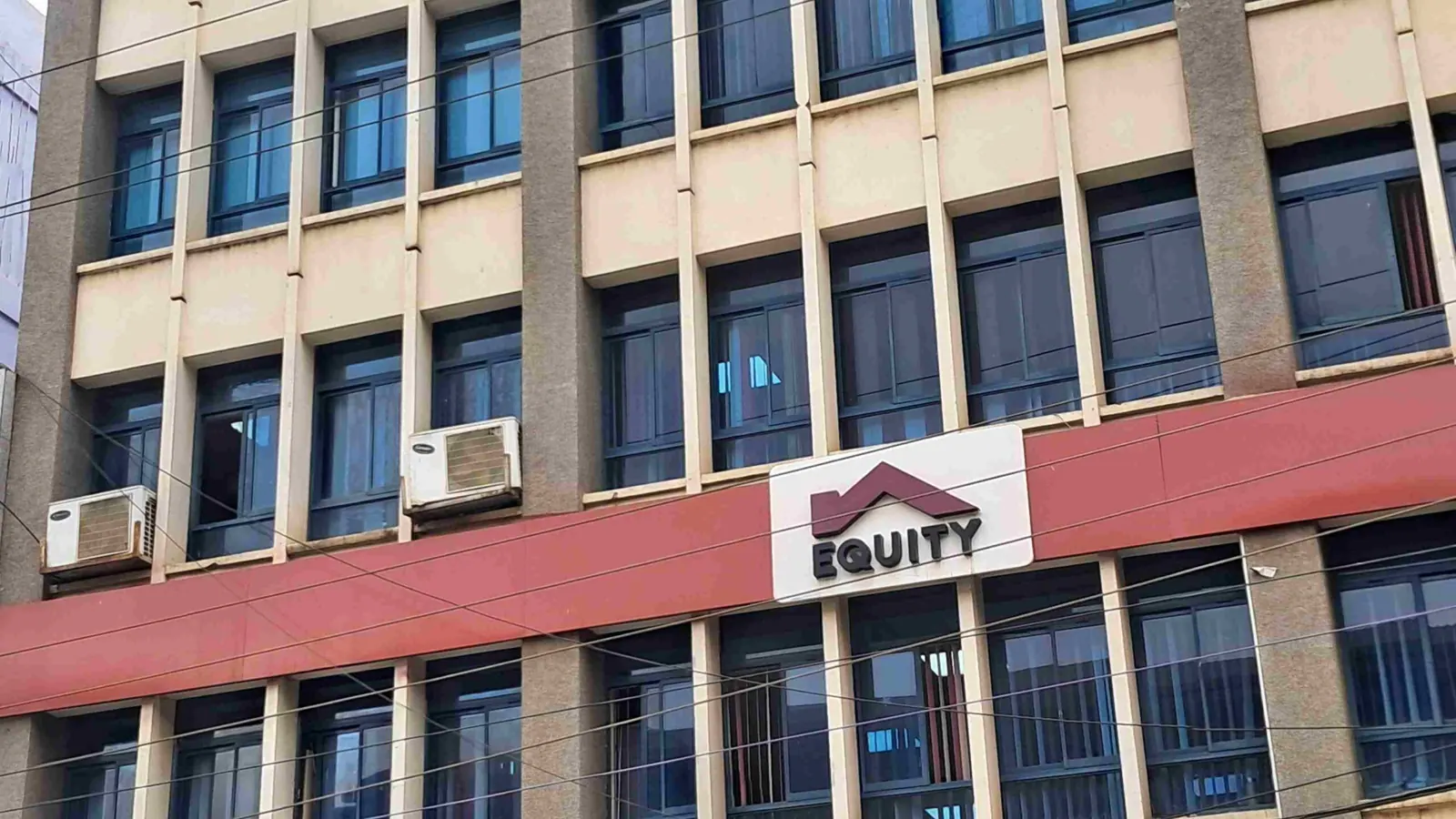
Equity Group Holdings PLC reported profit after tax of KSh75.5bn, a 55 per cent increase, and disclosed that its greenhouse gas emissions grew 19 per cent to 39,605 tonnes CO2e in 2025.
Emissions rose from 33,200 tonnes in the previous year, with increases recorded in all three scopes: direct fuel use, purchased electricity and the value-chain activities such as business travel and financed emissions.
The bulk of the rise came from two subsidiaries that together generated 98 per cent of the additional emissions. Equity Bank (Kenya) Limited accounted for 65 per cent of the 2025 total, while Equity BCDC added 6,293 tonnes of the net increase of 6,405 tonnes, its Scope 3 emissions climbing from 1,086 to 3,353 tonnes.
The sustainability report attributes the higher figures to significant business expansion, including integration of new units, and to improved data capture that now includes emissions previously measured less precisely.
Dr James Mwangi, Managing Director and CEO, said the group is “working to establish a solid foundational baseline for operational emissions” and will advance its net-zero commitments by 2030. Moses Nyabanda, Managing Director of Equity Bank (Kenya) Limited, noted that “the process of setting internal GHG emissions targets remains work in progress”.
Chairperson Prof Isaac Macharia said the board welcomes the phased adoption of ICPAK’s assurance requirements and will oversee preparedness for “assurance expectations”. He also highlighted a duty of “guarding against the risks associated with greenwashing or unsubstantiated sustainability claims”.
The report states that no external assurance has been obtained for the emissions data, but the group intends to seek such verification. It also notes that a formal climate transition plan has not yet been finalised, with foundational work underway in Kenya and Rwanda supported by a European Investment Bank technical assistance programme.
Equity disclosed a record investment of KSh99.5bn in social impact and sustainability, including the planting of 9.1 million trees and the provision of KSh26bn in climate-aligned finance, the latter described as third-party verified.
The German Ambassador to Kenya, H E Sebastian Groth, remarked that “Equity Group is demonstrating that sustainability is not a luxury for the few, but the very engine of transformation for the many”. The Green Climate Fund later accredited Equity as a Regional Direct Access Entity, positioning it to mobilise global climate finance.
A separate Khusoko analysis noted that Safaricom also reported a rise in Scope 1 and 2 emissions, indicating that higher emissions are not unique to Equity.