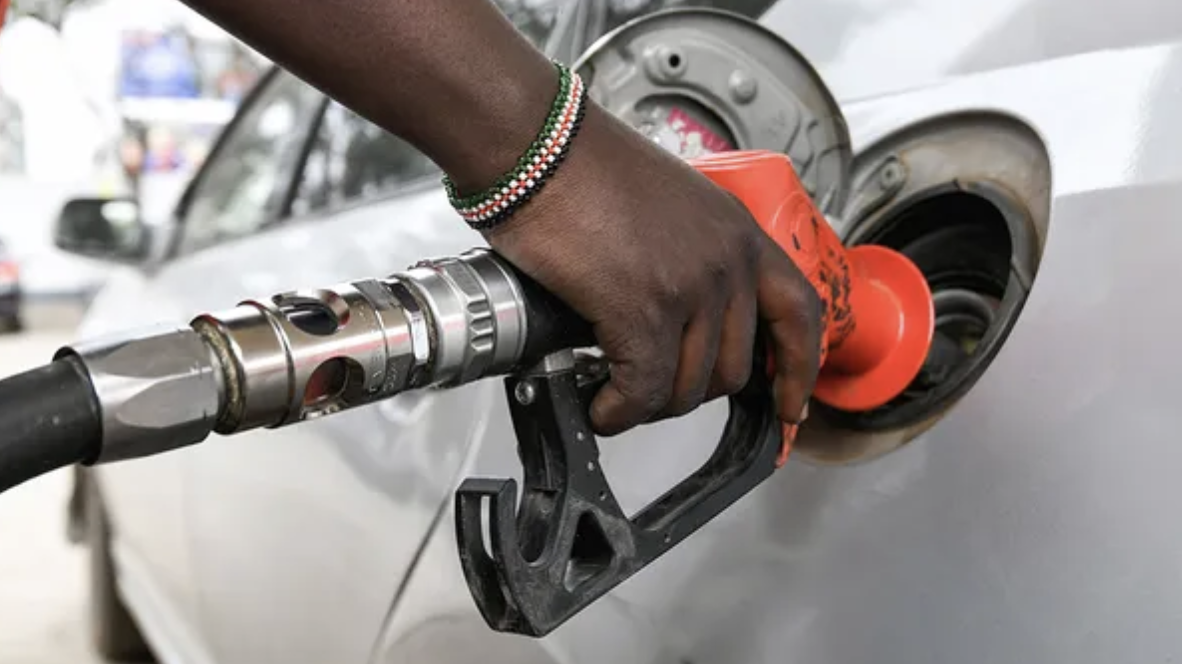
The Energy and Petroleum Regulatory Authority has cut the price of diesel by KSh5 a litre while holding petrol and kerosene prices unchanged in its latest monthly review, covering the pricing cycle from 15 August to 14 September 2026.
For a transport and logistics sector that runs overwhelmingly on diesel, from long-haul trucking to public service vehicles and generators used to backstop erratic power supply, the cut offers modest but welcome relief. Diesel prices have an outsized effect on the broader cost of living in Kenya, given how much of the country's freight and, indirectly, food distribution depends on diesel-powered transport. A KSh5 reduction at the pump will not transform household budgets, but it does ease pressure at the margin for businesses whose fuel bills are among their largest recurring costs.
That petrol and kerosene held steady, rather than falling alongside diesel, reflects the increasingly complex maths behind EPRA's monthly formula, which weighs global crude prices, the landed cost of refined products, the shilling's exchange rate and the levies and taxes baked into the local pump price. Fresh fuel shipments arrived in the country ahead of this review, helping stabilise supply just as the new pricing band took effect.
The review lands against a backdrop of continued volatility in global energy markets, with the Middle East conflict a recurring reference point for policymakers, including the Central Bank of Kenya, when discussing risks to the inflation outlook. Kenya's fuel price mechanism is designed to pass through global price movements relatively quickly, for better and for worse, which means the diesel relief seen this month is not guaranteed to hold if crude prices move sharply before the next review.
For now, businesses reliant on diesel get a small but real reduction in operating costs, while consumers filling up on petrol will see no change at the pump, a split outcome that reflects just how differently the various fuel grades are exposed to Kenya's current mix of global and domestic pricing pressures.