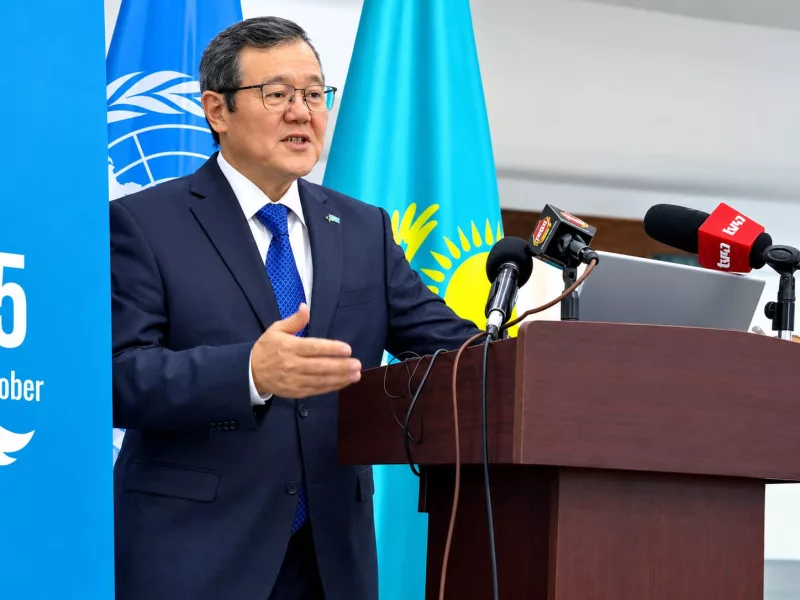
Kenya has overtaken Egypt to become Africa's leading milk producer, with annual milk production rising from about 4.6 billion litres to 5.4 billion litres, according to Livestock Development Principal Secretary Jonathan Mueke.
The milestone highlights the growth of Kenya's dairy sector, but it comes at an unusual time for consumers. Despite the country's record annual production, some supermarkets and retail outlets in Nairobi have reported shortages of fresh milk, with popular brands disappearing from shelves and prices rising.
Why Kenya is producing more milk
The government has attributed the growth to efforts to improve livestock productivity and strengthen the dairy value chain.
Measures have included livestock vaccination, initiatives to improve animal health, better access to markets and efforts to increase productivity among farmers. The government's broader objective is to move livestock farming towards a more commercially viable sector.
Kenya's dairy industry is also heavily dependent on smallholder farmers, who account for about 70 per cent of milk production in the country.
The sector supports millions of people across farming, milk collection, transport, processing and retail, making its performance important to both rural incomes and the wider economy.
So why is there a milk shortage?
The apparent contradiction is largely explained by seasonal production and supply-chain pressures.
Dry weather has reduced the amount of raw milk reaching processors in some parts of the country. The Kenya Dairy Board reported that formal milk deliveries to processors fell from 84.4 million litres in June to 81.3 million litres in July 2026, while preliminary indications pointed to further constraints in August.
Lower deliveries have affected the availability of some brands and pack sizes in retail outlets.
A recent market check reported that some Nairobi shops had limited stocks of milk, while some retailers introduced purchase limits. In some outlets, a packet that previously sold for around KSh60 was retailing at about KSh75.
This illustrates an important distinction: being Africa's largest annual milk producer does not necessarily mean Kenya has a consistent supply of milk every day of the year.
Dairy exports are also growing
At the same time, Kenya's dairy exports have expanded significantly.
According to the Livestock Development State Department, the value of dairy exports increased from KSh4.9 billion to KSh14.2 billion, signalling stronger demand for Kenyan dairy products in international markets.
The government is seeking to increase the amount of milk entering the formal processing system and expand value addition, which could create opportunities for processors, farmers and exporters.
The challenge will be ensuring that this growth translates into a reliable domestic supply while maintaining the country's export potential.
For consumers, that means the real test for Kenya's dairy industry is no longer simply how much milk the country produces annually, but whether it can maintain affordable and dependable supplies throughout the year.