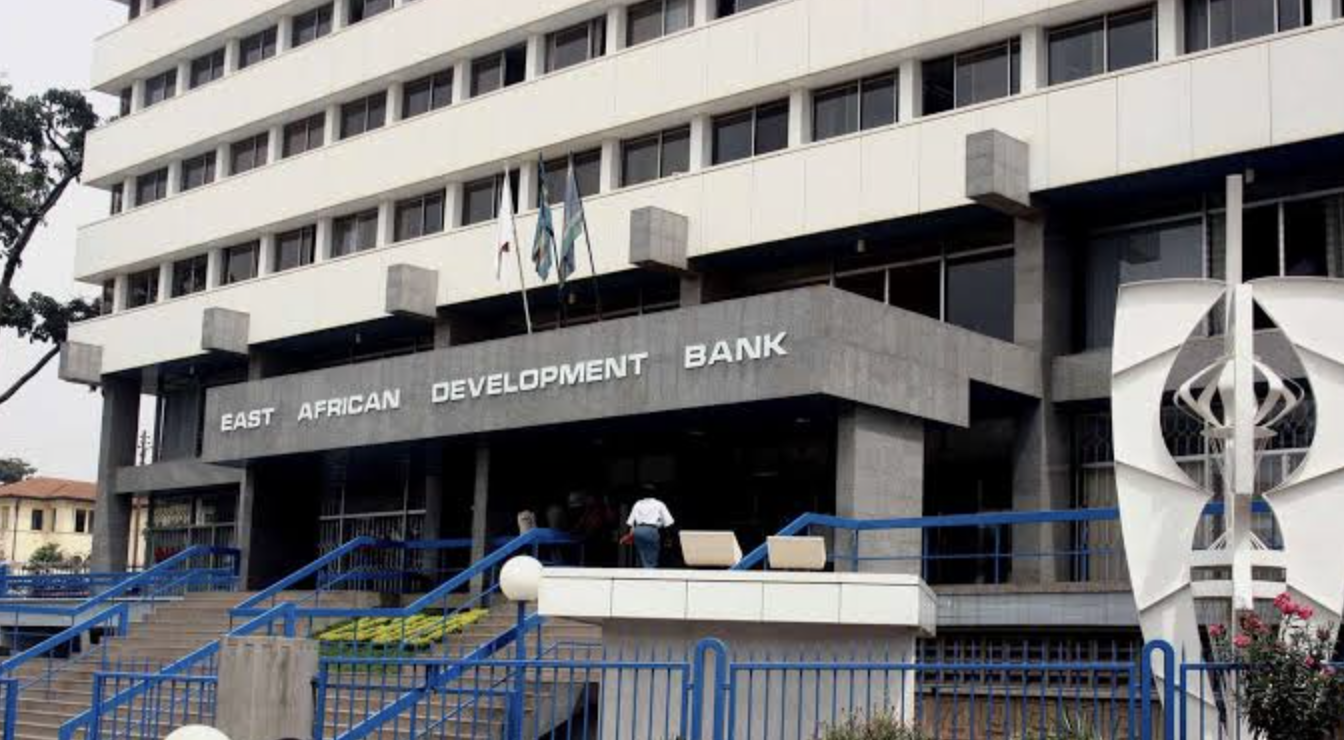
The East African Development Bank (EADB) is seeking to mobilise more public and private capital into manufacturing, infrastructure and other productive sectors as the region pushes to accelerate industrialisation and expand intra-regional trade.
The development finance institution says financing constraints, infrastructure gaps and low levels of industrialisation continue to limit East Africa’s ability to process its own resources and retain a larger share of their economic value.
EADB Acting Director General Benard Mono said the bank is looking to strengthen partnerships with governments, private investors and development finance institutions to co-finance projects across the region.
The lender’s current strategy prioritises manufacturing and industrialisation, infrastructure, agriculture and agro-processing, renewable energy, transport, logistics and climate-related investments.
Manufacturing Takes Centre Stage
EADB says it has already invested more than US$15 million, approximately KSh1.94 billion, in manufacturing projects that have collectively supported more than 12,000 jobs.
Among the businesses it has financed is East Africa Medical Vitals, a regional manufacturer of medical consumables that produces more than 40 million pairs of surgical gloves annually.
The bank has also invested more than US$7 million in tourism ventures and over US$1 million in agricultural projects that collectively generate more than US$4 million in annual export earnings.
Infrastructure remains another focus as high transport, energy and connectivity costs continue to limit competitiveness across the region.
EADB says East Africa needs more investment in ICT, electricity, roads and railways to reduce the cost of doing business and strengthen trade links among neighbouring economies.
The bank intends to use both direct project financing and partnerships, including public-private partnerships, to crowd more capital into such projects.
Its push also reflects a wider regional challenge: many East African economies continue exporting agricultural and mineral commodities with limited processing before they reach international markets.
Expanding local manufacturing and value addition could help countries retain more income, create jobs and increase intra-African trade.
For businesses, the availability of long-term development finance will be critical to turning industrialisation plans into factories, infrastructure and commercially viable projects.
EADB’s strategy therefore places capital mobilisation at the centre of efforts to strengthen East Africa’s industrial capacity and competitiveness.