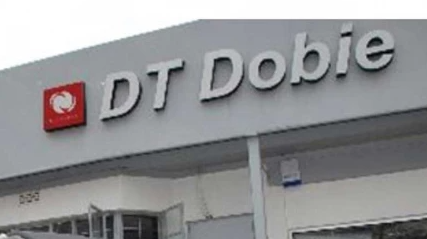
DT Dobie has suffered a major setback after the Tax Appeals Tribunal dismissed its challenge against a KSh1.1 billion customs duty assessment issued by the Kenya Revenue Authority (KRA).
The dispute stemmed from the company's importation of Mercedes-Benz completely knocked down (CKD) kits used for local vehicle assembly. DT Dobie argued that it had imported the kits with the expectation that the government would introduce a tax incentive intended to support local assemblers, and that the customs duty demand should therefore not apply.
However, the tribunal ruled that while the proposed incentive may have been discussed at the policy level, it was never enacted into law. As a result, the company could not rely on an anticipated government commitment to avoid paying customs duty.
The tribunal emphasised that tax exemptions can only arise from legislation or other legally binding instruments, not from policy intentions or administrative assurances. It therefore upheld KRA's tax assessment, finding that the authority had acted within the law when demanding payment.
The ruling reinforces a long-standing principle in Kenya's tax regime that businesses can only claim incentives that have been formally gazetted or provided for under existing tax laws. Tax experts say the decision serves as a reminder for investors to verify that proposed incentives have taken legal effect before factoring them into business decisions.
The case is expected to attract attention within Kenya's automotive sector, where local assemblers have consistently called for predictable tax policies to encourage investment and expand domestic vehicle manufacturing. Industry players argue that clear and legally established incentives are essential to support the growth of local assembly plants and enhance the sector's competitiveness.
Unless DT Dobie successfully appeals the decision before the High Court, the company will be required to settle the KSh1.1 billion customs duty demanded by KRA. The judgment is also likely to influence future tax disputes involving businesses that seek to rely on policy announcements that have not been formalised through legislation.