Absa Bank Kenya PLC reported profit after tax of KSh15.3bn for the nine months to September 30, 2026, a 9.6 per cent drop from KSh16.9bn a year earlier, while total assets rose 9 per cent to KSh604.1bn, crossing the KSh600bn threshold for the first time.
Total revenue fell 3.9 per cent to KSh44.7bn, with net interest income of KSh32.3bn and non-interest income of KSh12.4bn, as interest income from loans declined 3.7 per cent, income from government securities fell 10.9 per cent and foreign-exchange trading income dropped 25.5 per cent; staff costs rose 14.3 per cent while interest expense fell 13.9 per cent.
Customer loans increased 11 per cent to KSh342.5bn and deposits grew 6 per cent to KSh408.0bn, reflecting steady market confidence.
The bank’s cost-to-income ratio closed at 42 per cent and return on equity was 19.9 per cent; the non-performing loan ratio improved to 9.8 per cent and the loan loss ratio fell to 2.0 per cent.
Effective tax rate dropped to about 26.0 per cent from 30.1 per cent, with the tax charge falling 26.3 per cent to KSh5.4bn, narrowing the gap between profit before tax of KSh20.7bn and profit after tax.
Managing Director and CEO Yusuf Omari said the results reflected a customer-led strategy in a lower-interest-rate environment and that the third quarter delivered the strongest revenue performance of 2026.
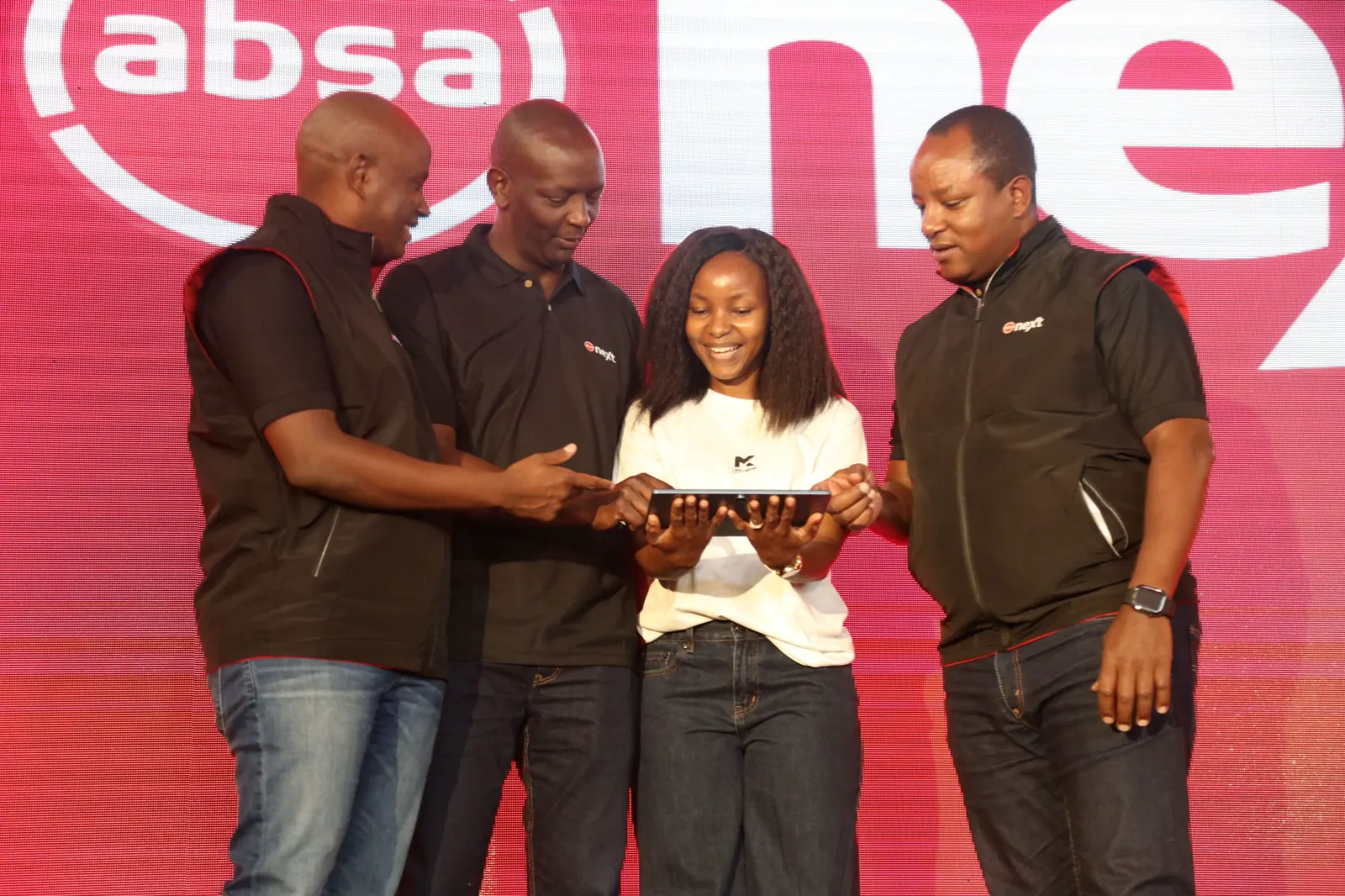
In September 2026 the bank launched Absa Next, an integrated digital ecosystem offering savings, investments, credit and lifestyle services, and introduced Kenya’s first co-branded travel and lifestyle credit card with Visa and Kenya Airways.
Absa Asset Management Limited also rolled out two Global Multi-Asset Special Funds in Kenyan shillings and US dollars after Capital Markets Authority approval in July 2026, while the bank financed solar-powered cold-storage facilities and supported a hackathon for young women technologists.
The board approved the unaudited results on Thursday November 26, 2026; earnings per share fell 9.3 per cent to KSh2.82 and the interim dividend was raised to KSh0.50 per share from KSh0.20.
Shareholders’ funds rose 9 per cent to KSh102.9bn, core capital increased 9.2 per cent to KSh86.5bn and total capital grew 5 per cent to KSh96.5bn, while risk-weighted assets expanded 13.7 per cent, leading to a slight decline in capital ratios.