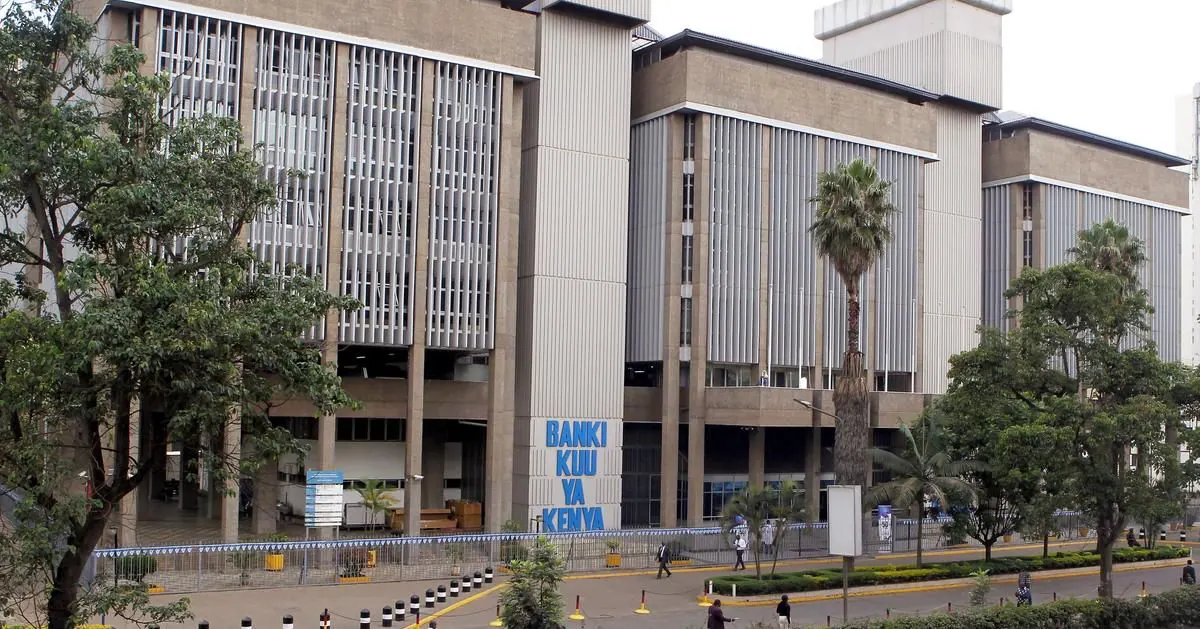
Governor Kamau Thugge said on November 24 that the Central Bank of Kenya will start a programme to embed artificial intelligence and machine learning into its economic analysis work.
The programme is intended to give staff the tools and expertise required to handle increasingly complex economic challenges and to stay aligned with global best practice in economic research.
In October, Director of Research Robert Mudida disclosed that the bank had identified almost 300 possible AI uses across 14 departments, with some already in operation.
Applications include using machine learning to improve inflation forecasts and tapping alternative data such as mobile-money transaction flows, satellite-derived night-time lights and vegetation patterns, electricity consumption records and online supermarket price information.
The bank also plans to employ AI to match online product data with the 330 items in the Kenya National Bureau of Statistics consumer-price classification, thereby supplementing inflation monitoring.
An AI-powered chatbot is being piloted in the Financial Markets Department and the institution is considering agentic AI for selected operational tasks.
CBK officials stress that AI tools will complement, not replace, official statistics, providing additional observations for assessing current conditions and preparing forecasts.
Thugge noted that the success of the initiative will hinge on staff ability to assess data quality, interpret algorithmic outputs and understand the limits of automated analysis.
The effort reflects broader trends in Kenya’s financial sector, where 2026 regulations for non-deposit-taking credit providers require explainability and human oversight of automated decision-making.