The World Bank says allocating part of the National Infrastructure Fund proceeds to retire costly debt could help Kenya lower its public-debt distress.
It notes that domestic borrowing now makes up 56.2 per cent of total debt at the end of the 2025/26 fiscal year, pushing overall debt to 69.9 per cent of GDP.
In its 34th Kenya Economic Update the World Bank warned that the trend deepens sovereign-bank linkages, raises refinancing risks and interest costs, and may limit credit to the private sector, adding that Kenya remains at high risk of debt distress and needs sustained fiscal consolidation and prudent debt management.
Central Bank of Kenya data for August show total public debt at KSh13.5 trillion, of which KSh7.7 trillion is domestic and KSh5.8 trillion external.
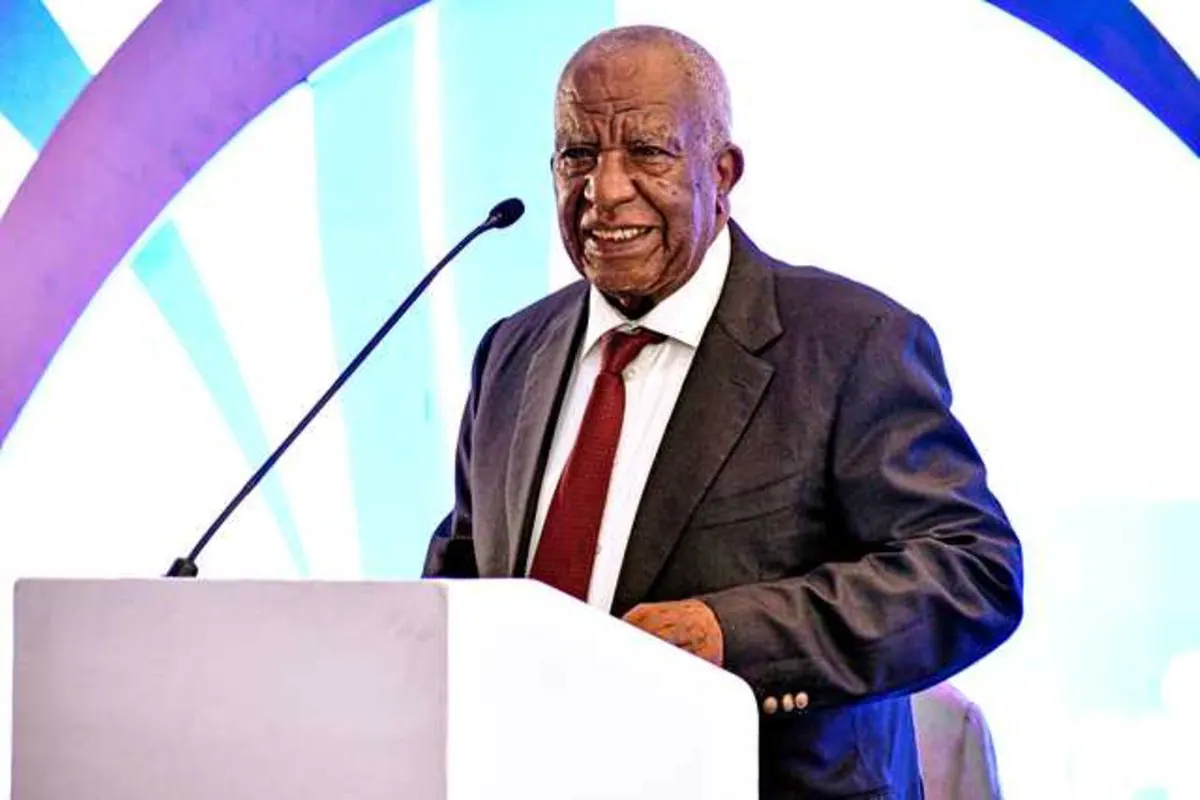
Dr Qimiao Fan, World Bank Division Director, said public debt was about 70 per cent of GDP in mid-year and that interest payments consumed roughly one third of government revenue, leaving fewer resources for essential services and development priorities.
The bank says debt-service costs continue to constrain fiscal adjustment, noting that interest payments stayed high at 5.8 per cent in the last financial year because of the larger share of domestic debt.
It advises Kenya to use part of the proceeds already raised for the NIF to cut debt-related expenses.
The government’s privatisation and divestment programme targeting state-owned enterprises is expected to generate a KSh5 trillion fund for infrastructure projects.
The bank added that directing privatisation proceeds to infrastructure could narrow the gap, but allocating some of the money to retire high-cost debt could lower interest costs, reduce refinancing risks and improve debt sustainability.
So far the fund has been capitalised with KSh103.5 billion from the sale of a 65 per cent stake in Kenya Pipeline Company and a further KSh204 billion from the divestment of a 15 per cent Safaricom shareholding is slated for injection.