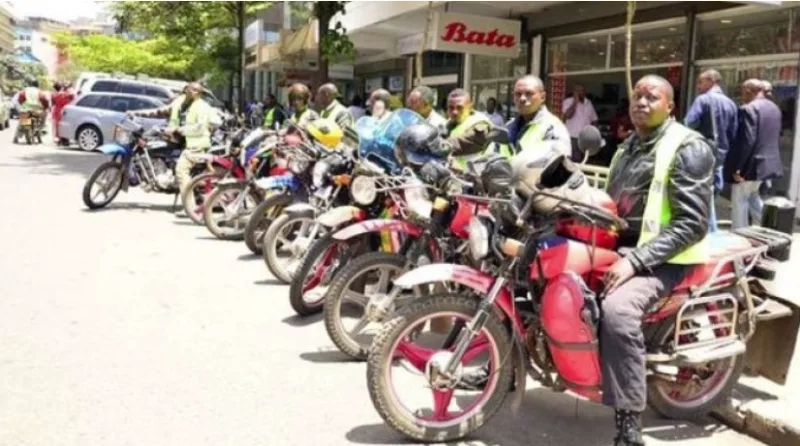
Watu Credit announced that, effective October 1, the down-payment required for selected petrol motorcycles will be reduced to 27 per cent for new customers and to 24 per cent for eligible returning customers.
The new rates replace the previous 35 per cent and 30 per cent requirements and apply to Boxer, TVS, Honda and Haojin models, with the offer available through Watu branches, dealers and agents.
Kenya’s motorcycle market has been expanding rapidly, with the Kenya National Bureau of Statistics reporting 241,763 newly registered motorcycles and autocycles in 2025, more than double the 118,308 registered in 2024, and 133,127 registrations between January and June 2026, averaging over 22,000 per month.
The growth occurs alongside a large informal sector; KNBS data show 18.1 million people were engaged in informal employment in 2025, representing 83.8 per cent of recorded employment outside small-scale farming, and the sector accounted for 87.2 per cent of the 822,100 jobs created that year, with total recorded employment at 21.6 million.
Damien Gueroult, Watu’s country manager for Kenya, said the lower entry point is intended to make it easier for customers to access income-generating assets and added, “Lowering the entry point gives riders a stronger offer and gives us a stronger proposition in the market.”
He further explained that the aim is to unlock easier access to assets that put more money in riders’ pockets and help them build their livelihoods and businesses.
Watu will rely on its network of local dealers and agents to deliver the revised financing terms, which could broaden the pool of customers able to qualify for loans.
The 2024 FinAccess Household Survey found 84.8 per cent of adults had access to formal financial services and 64 per cent used credit, but only 18.3 per cent were classified as financially healthy, highlighting a gap that asset financing seeks to bridge.
The broader transport economy was valued at KSh2.57 trillion in 2025, comprising KSh1.5 trillion in passenger traffic and KSh1.08 trillion in freight, while the National Electric Mobility Policy launched in February recorded 39,324 electric vehicle registrations by 2025, up from 1,378 in 2022, with boda-boda motorcycles showing the highest increase; World Bank research noted that a lease-to-own electric motorcycle model raised rider productivity by 37 per cent and nearly doubled energy efficiency.