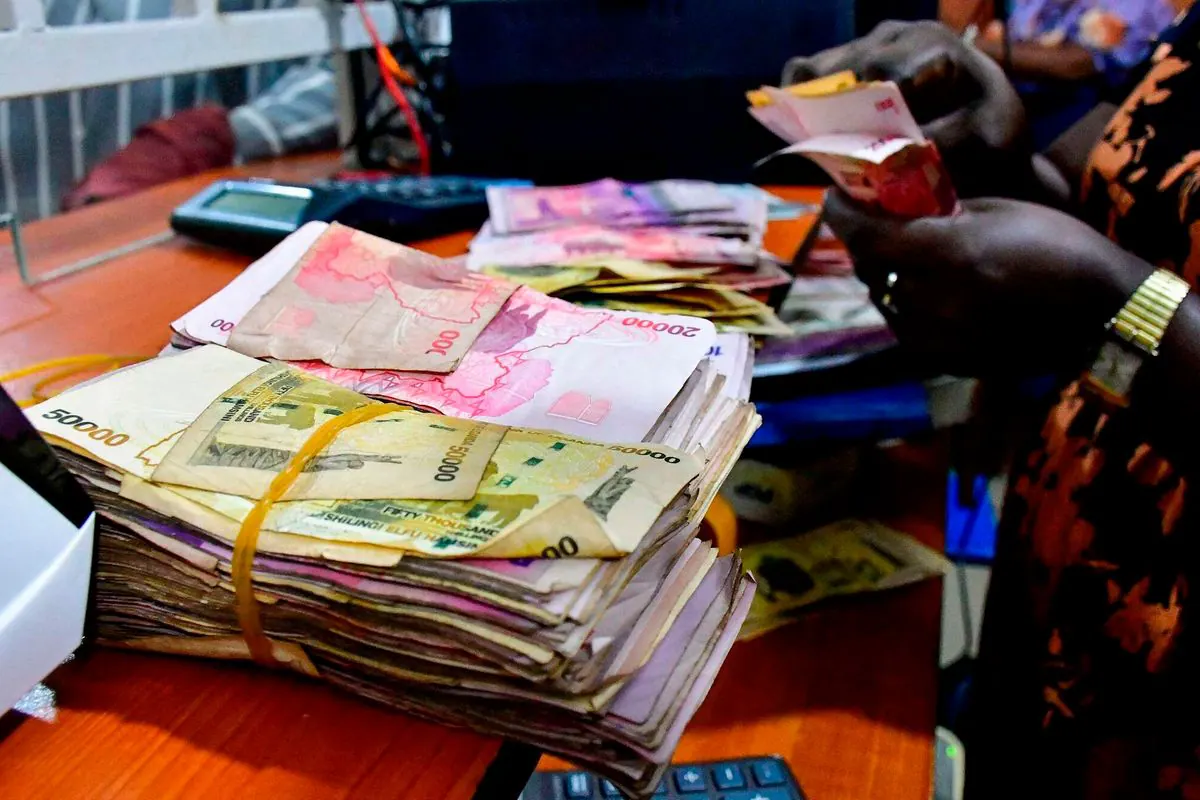
The Ugandan shilling has fallen by more than 14 per cent against the US dollar since June, prompting anxiety in Kenya that Kenyan goods could become costlier and exports to Uganda may shrink.
The currency hit a new low of UGX4,240 per US dollar last week before regaining some loss after interventions by the Bank of Uganda (BoU), marking a 14.2 per cent depreciation from UGX3,710 at the end of June.
At the start of the year it took UGX26.80 for a Kenyan shilling, while the current rate is UGX31.91, meaning Ugandans now need 530 more shillings to purchase one dollar worth of Kenyan exports.
Uganda remains Kenya’s largest export market, buying Kenyan medicines, cement, metal products, soap and palm oil valued at KSh162.4 billion in 2025, while Uganda’s exports of milk, maize and tea to Kenya total KSh46.9 billion, giving Nairobi a trade surplus of over KSh100 billion a year.
The weaker Ugandan shilling has made Kenyan imports more expensive and Ugandan goods appear cheaper in Kenya, giving Ugandan traders an edge in border towns like Busia, according to TradeMark Africa senior director Abhishek Sharma.
Sharma said, “For a lot of our manufactured goods, you would definitely expect to see a decline in export values because the resulting price increase would reduce demand,” and added that “even before the currency depreciation, there was a reduction in imports from Uganda to Kenya on trade issues, including the imposition of the sugar levy.”
He also warned that “while Ugandan goods can become more competitive, there wouldn’t be a dramatic increase in imports. However, one can expect an increase in goods inflows into Kenya’s border towns like Busia and Malaba where one might see protests from local traders.”
The BoU held an emergency monetary policy meeting last week, raising its benchmark interest rate by 2.25 percentage points to 12 per cent in an effort to curb foreign portfolio outflows, a move similar to Kenya’s June 2023 emergency rate hike.
Earlier in September the BoU increased cash-reserve requirements for commercial banks from 11 per cent to 13.5 per cent to absorb excess liquidity, while President Yoweri Museveni said he had rejected a request to sell dollars from reserves, calling the idea wasteful.
Uganda’s official reserves now cover only 3.7 months of imports, below the East African Community target of 4.5 months, whereas Kenya’s reserves cover 5.9 months, supporting the Kenyan shilling’s resilience amid the Middle East crisis.
Analysts note that foreign portfolio outflows, the US-Israel-Iran crisis and rising energy prices have pressured the Ugandan shilling, and a trader told Reuters, “I would think the shilling will continue weakening, driven by the same fundamentals, but possibly the depreciation will be at a much slower pace.”