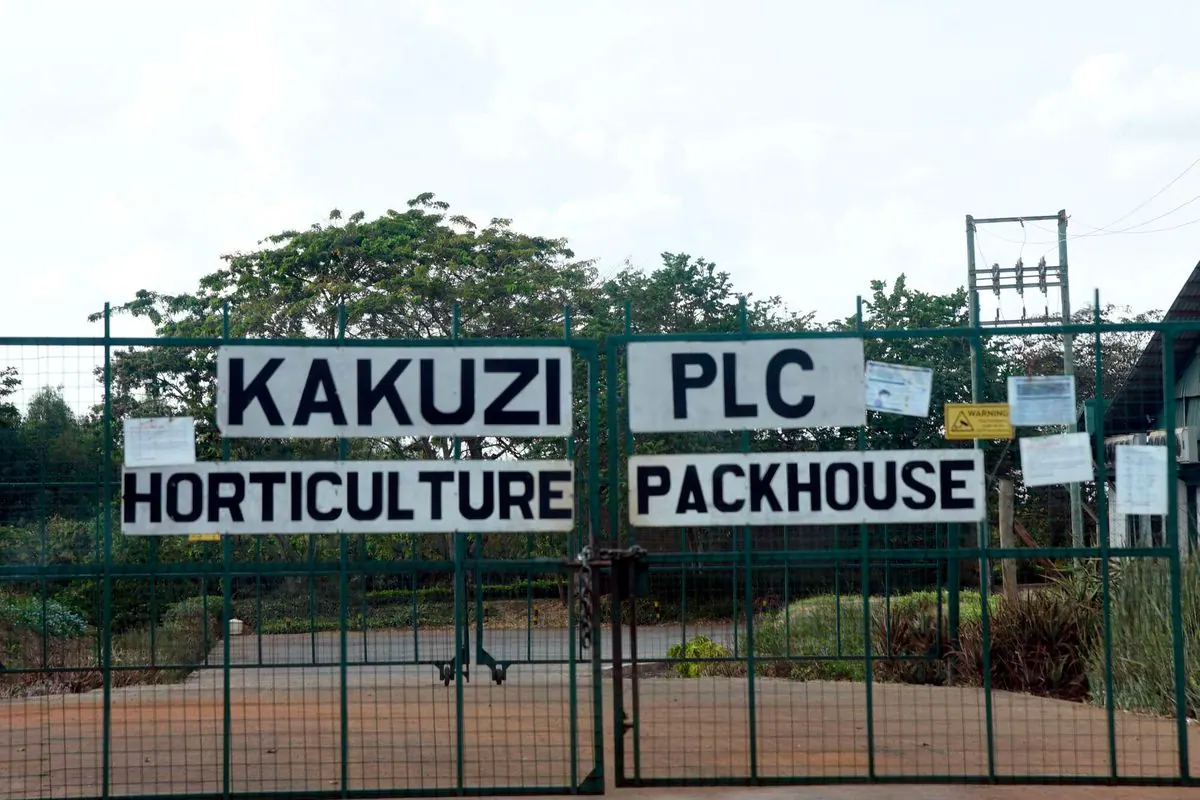
The Supreme Court has dismissed Kakuzi PLC’s appeal, upholding the Court of Appeal’s ruling that the company cannot reclaim about 72 acres of land used by Makuyu Club as a golf course in Murang’a County.
The apex court noted that Makuyu Club had occupied the land continuously, uninterruptedly and exclusively from 1934, with Kakuzi’s knowledge, and continued its use after Kakuzi acquired the larger parcel in 1967.
The judges said the club instituted proceedings in 2002, after roughly thirty-five years of occupation, to acquire title by adverse possession, and that Kakuzi failed to assert its ownership within the prescribed limitation period.
The Supreme Court observed that Kakuzi only sought to formalise the club’s use through a lease agreement in May 2002, long after the period required to interrupt adverse possession had elapsed.
Kakuzi had argued that the club’s occupation stemmed from a donation in 1934 and that its use was permissive, citing supplies of diesel, petrol, lubricants, tractors, lawnmowers, wages for staff and equipment such as coats and torches as evidence of its ongoing involvement.
The Court of Appeal had previously held that those supplies did not constitute an unequivocal act capable of interrupting the club’s possession, and the Supreme Court’s decision confirms that view.
In its appeal, Kakuzi sought clarification on whether adverse possession could succeed where initial occupation arose from consent or donation and where ownership subsequently changed hands, as well as on the effect of informal land-use arrangements.