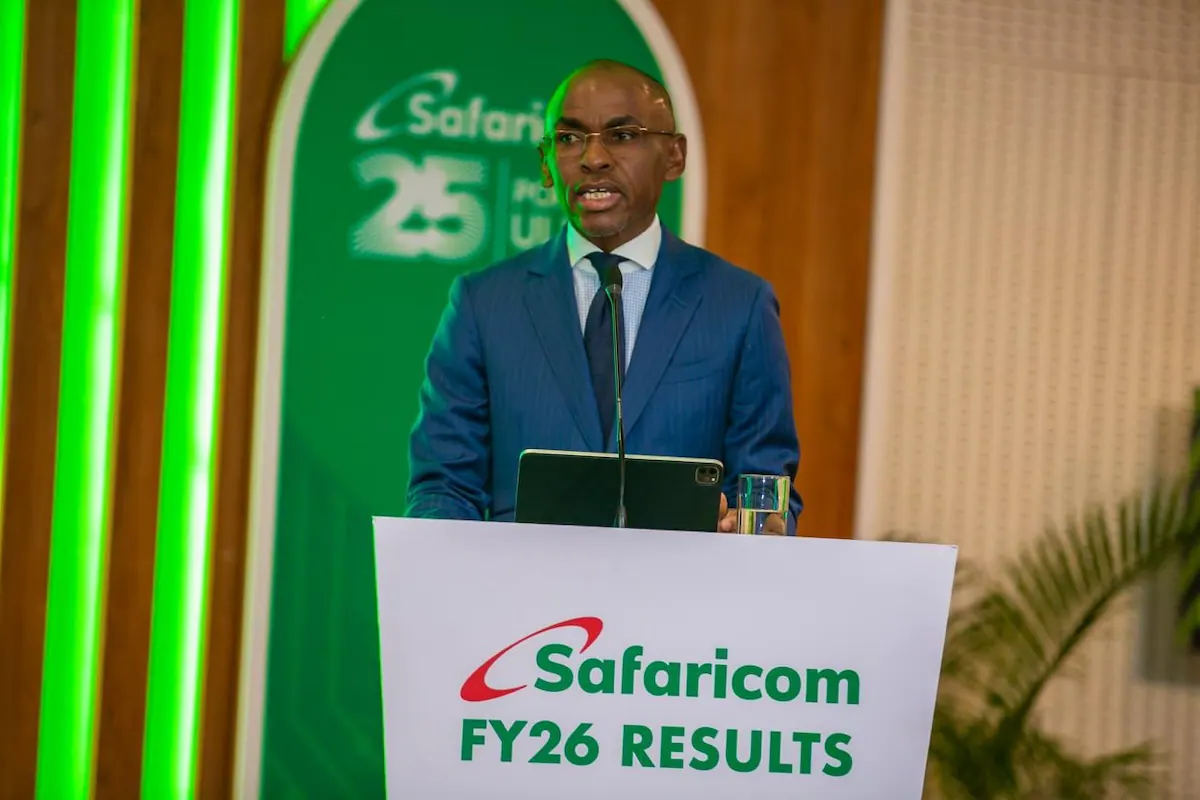
Justice John Anuro of the High Court allowed Safaricom to join Jamii Telecommunications Limited’s challenge to the Communications Authority of Kenya’s revised 2025 spectrum-fee schedule.
The Communications Authority had notified licence holders on March 10, 2025 that new annual fees, based on the amount of spectrum assigned rather than the number of transmitters, would take effect on July 1, 2025.
The tribunal suspended the revised schedule on April 24, 2025 while it considered Jamii’s application, which argues that the band-based charges favour larger operators and are “discriminatory, uncompetitive, unfair, unsustainable and unreasonable”.
The tribunal initially rejected Safaricom’s request to join, saying the company had not explained the prejudice it would suffer if excluded and had not clarified whether it supported or opposed Jamii’s appeal.
Safaricom appealed, stating that the outcome could affect its regulatory obligations, financial outlay, business planning and competitive position, and offered to provide technical and economic context on spectrum pricing.
The Communications Authority opposed Safaricom’s entry, arguing that the company had not attached material setting out its intended case and that admitting it could prejudice the regulator’s response.
Justice Anuro found the tribunal had applied the legal test too rigidly and accepted Safaricom’s affidavit as a statement of prejudice, saying “That is a statement of prejudice. It may not have been elaborate, but it is certainly not absent.”
The judge also rejected the view that Safaricom had to declare its stance on Jamii’s appeal, noting “A proposed interested party is not a proposed co-appellant or co-respondent.”
The court limited Safaricom’s role to issues already raised by Jamii, prohibiting the introduction of new claims, grounds of appeal, remedies or control of the case, and said the tribunal will set timelines for Safaricom’s affidavit and submissions.
Safaricom paid the Communications Authority KSh16.3 billion in licence fees for the year to March, up from KSh14.6 billion the previous year, illustrating the scale of its regulatory costs.