PricewaterhouseCoopers (PwC), the administrator of the collapsed clean-cooking firm Koko Networks, reported that no sale of the company’s carbon-credit inventory had been completed as of the latest progress report dated September 17, 2026, despite discussions with three potential buyers and five brokers.
PwC valued the carbon-credit inventory at £274,992, about KSh47.1 million, but said the offers received would not generate a meaningful return to the estate, prompting the administrator to continue marketing the credits for a better price.
The administration disclosed unsecured, non-preferential claims of £127.2 million, roughly KSh21.8 billion, against a total asset book value of £1.46 million, about KSh249.8 million, and an estimated recoverable value of £356,067.73, about KSh61.1 million.
Even if the carbon inventory were sold at its listed value, it would represent only about 0.22 per cent of the unsecured claims, and PwC expects recoveries to be too small to allow any distribution to unsecured creditors.
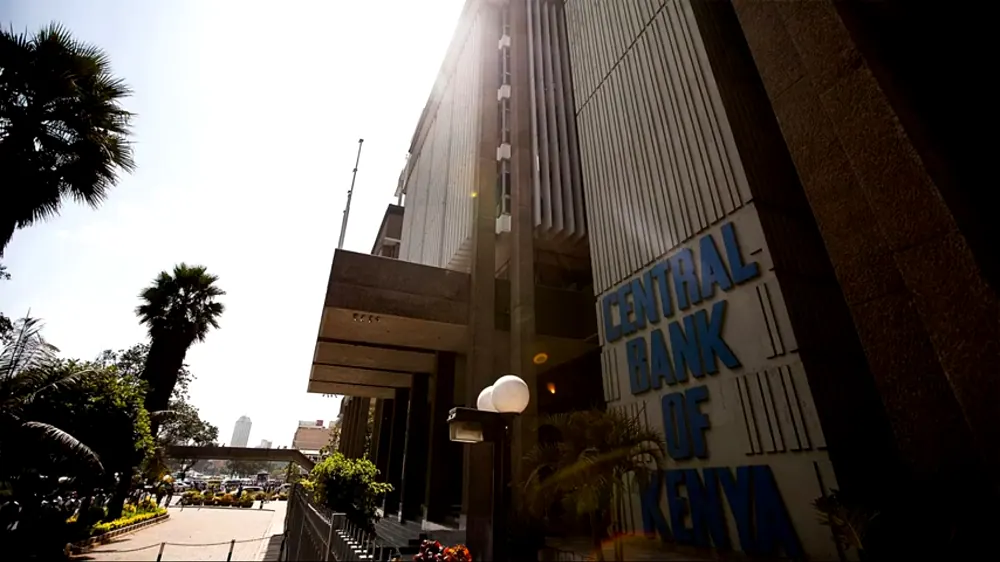
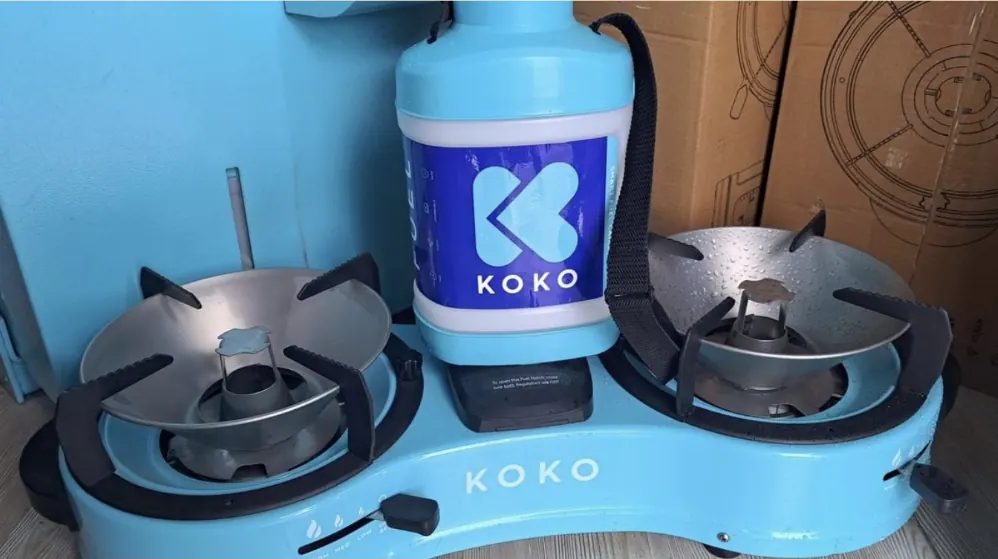
Koko’s collapse followed a dispute with the Kenyan government, which declined to issue a letter of approval for exporting carbon credits – a central element of the company’s financing model that subsidised ethanol stoves for more than 1.5 million households.
The UK parent of Koko Networks has written off loans of £35.5 million, about KSh6 billion, and intangible assets of £1.32 million, about KSh226.2 million, while physical assets such as laptops fetched only £1,230.64, roughly KSh210,947, after an earlier valuation of £8,419.
In addition to the carbon-credit effort, PwC is pursuing a separate sale process for Koko’s intellectual property, involving the liquidators of related entities, and will seek legal advice on any proceeds that may be attributable to the Kenyan operating business.
The administrator will keep seeking a better price for the carbon credits as creditors confront steep losses from the insolvency.