The Treasury says private capital is expected to total KSh96bn for public infrastructure projects in the financial year that ends in June 2027, covering sectors such as electricity transmission and water.
Treasury Cabinet Secretary John Mbadi noted that this figure represents a 74.5 per cent rise from the KSh55bn mobilised through public-private partnerships in the financial year that ended in June 2025.
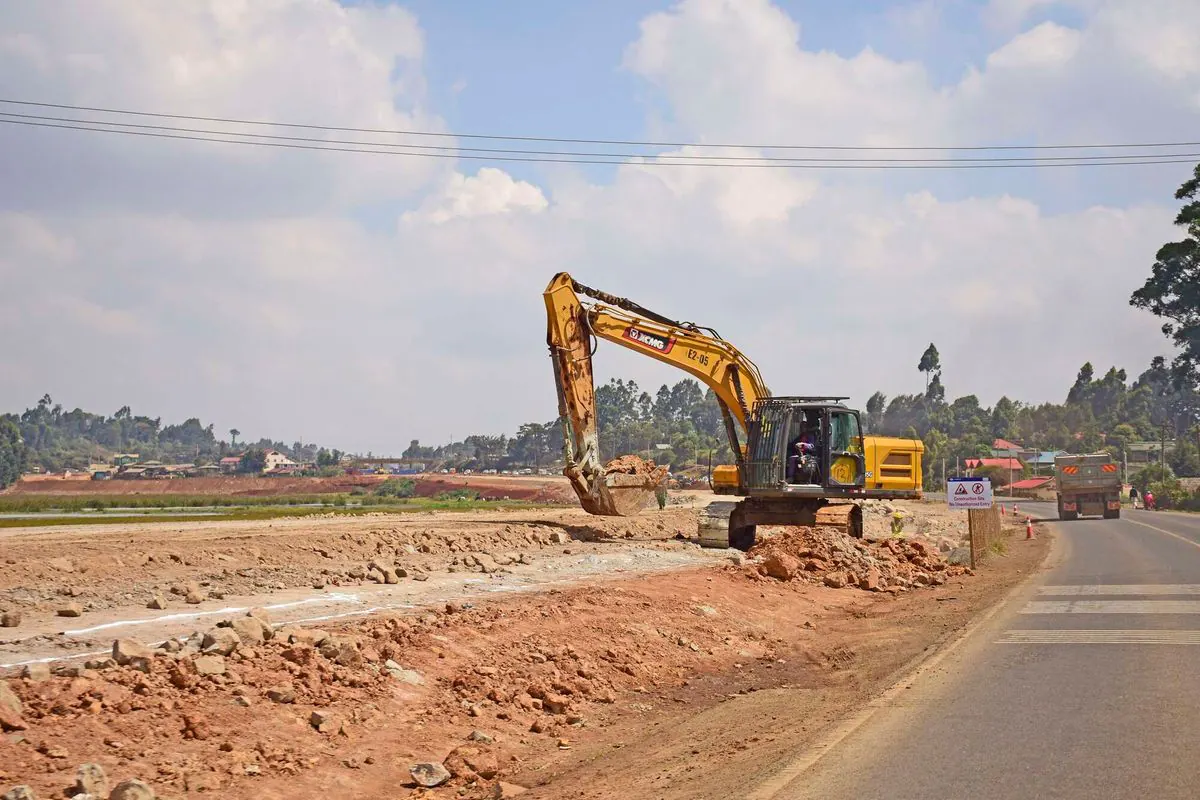
Private cash contributed in the year to June 2026 makes up a 30 per cent equity share of the projected KSh183bn private investment for the Rironi-Gilgil, Rironi-Maai Mahiu-Naivasha and Gilgil-Nakuru-Mau Summit road projects.
The government is increasingly turning to private investors for roads, power, water, health and technology infrastructure as debt servicing consumes a larger share of tax revenue and limits budgetary funding.
Under PPP arrangements, private firms finance, build or operate infrastructure and recover costs through tolls, user charges or similar payments; the Nairobi Expressway, built by CRBC-owned Moja Expressway Company, recovers its costs via tolls until 2047.
The draft 2027 Budget Policy Statement projects mobilisation of KSh96bn in private capital for FY 2026/27 despite several flagship projects facing delayed financial close, some not expected until the 2028/29 financial year.
Treasury has identified six projects that together underpin the mobilisation target: a KSh41.6bn electricity transmission network led by Africa50 and PowerGrid; a KSh27.9bn Sabaki Water Carrier; KSh8.85bn accommodation for staff and caregivers at Kenyatta National Hospital; a KSh45bn smart driving licences contract; a KSh6.5bn expansion of the Konza Data Cloud and smart-city facilities; and a KSh3.3bn solar-powered street-lighting scheme in Eldoret.
The hospital and water carrier projects are slated to reach financial close in FY 2027/28, the Konza expansion in FY 2028/29, while the Eldoret lighting project is planned for FY 2026/27.
The smart driving licences contract, signed on June 30, 2026 with Pesa Print Consortium and KCB Group, is already under construction, and the Africa50-PowerGrid transmission project, signed in 2025, is expected to commence commercial operations in mid-2028.
Treasury has not released a detailed breakdown of the KSh96bn target nor clarified how much represents fresh commitments versus financing already secured, but it notes that cumulative PPP mobilisation exceeds KSh200bn to date.
The PPP model enables the state to pursue capital-intensive works without immediate full-budget outlays or reliance on conventional borrowing, a strategy that has grown in importance as debt repayments erode development budgets.
The new target follows a period of reduced activity after protracted negotiations, disputes and the cancellation of major deals with India’s Adani Group, which had proposed a KSh117.9bn transmission line and a KSh260bn airport upgrade.
Private capital mobilised through PPPs fell to KSh4.3bn in the year to June 2024 and to KSh17.7bn the following year, down from KSh80.6bn in the financial year that ended in June 2022 and KSh45.7bn in FY 2022/23.
The PPP Directorate at the time blamed the slowdown on delayed progress on two unnamed projects, linking it to lengthy negotiations and the collapse of the Adani proposals, which were halted by President William Ruto in November 2024 after the founder faced a U.S. indictment that was later dismissed.