President William Ruto met the heads of European Union delegations in Nairobi and urged a stronger trade and technology partnership with the bloc.
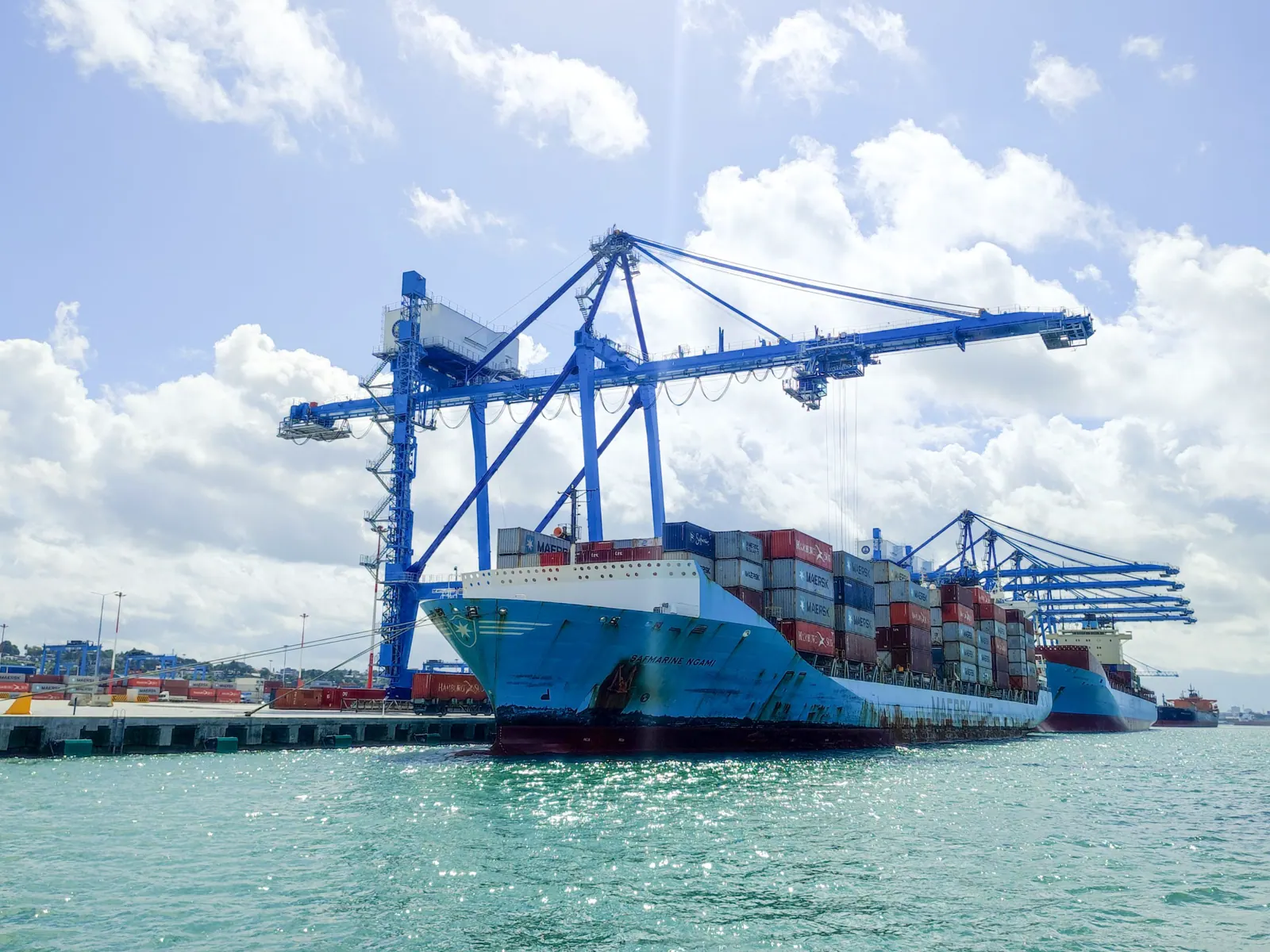
He noted that the EU remains Kenya’s largest export market, representing 21 per cent of the country’s total exports and covering products such as tea, coffee, horticultural goods and cut flowers.
Official figures show that exports to the EU rose to KSh166.8 billion last year, up from KSh156.9 billion in 2024, while imports from the EU fell to KSh237.3 billion from KSh249.7 billion.
Ruto said the Economic Partnership Agreement, which has been in force since July 1, 2024 and provides duty-free, quota-free market access, must now deliver tangible economic benefits, and he called for removal of strict sanitary and phytosanitary rules, high freight costs and weak cold-chain infrastructure.
He also urged the two sides to speed up talks on a regional East African Community-EU Economic Partnership Agreement.
The president appealed for greater EU investment in manufacturing, infrastructure, agriculture, energy and healthcare to boost local production, technology transfer and job creation.
The EU has pledged funding for the Northern Corridor, fibre-optic networks, digital land registration, digital transformation centres and the integration of refugee settlements into host communities.
Kenya highlighted its Digital Dialogue with the EU, which covers infrastructure, artificial intelligence, innovation and digital public services, and said the next session on 23-24 this month will seek progress on fibre-optic connectivity and the possible extension of the Blue Raman Submarine Cable to Kenya.
He also called for collaboration with EU artificial intelligence research institutions to advance innovation in the field.
The talks coincided with the 50th anniversary of Kenya-EU diplomatic relations, and EU Ambassador to Kenya Andreas Peschke said the bloc wants to deepen investment, trade, security, people-to-people links, academic exchange and job creation.
Ruto welcomed Nairobi’s designation as the EU’s fourth regional hub in Africa, describing it as an opportunity to expand cooperation across the continent.
He further urged affordable development financing, warning that high borrowing costs and unsustainable debt burdens are slowing Africa’s development.