President William Ruto announced four proposals in his Mashujaa Day address at Kipchoge Keino Stadium in Eldoret on October 20, 2026, including a PAYE exemption for workers earning KSh32,333 or less, a stamp duty waiver for land deals valued at KSh1 million or below, the removal of the 25 per cent import duty on mobile phones, and an expansion of the national internship programme to 50,000 participants from January 2027.
The PAYE exemption would apply to employees whose monthly earnings do not exceed KSh32,333, allowing them to retain more of their income for food, transport and other essentials; Ruto said “for workers on modest incomes, every shilling saved means more money to meet their families’ needs, including food, transport, and other essentials,” and the proposals are to be presented to Parliament the week after the address.
The Treasury’s plan also seeks to exempt land transactions of KSh1 million or less from stamp duty and to introduce progressive rates for higher-value sales; current rates are 4 per cent for urban land and 2 per cent for rural land, and Ruto said the measures would “reduce the cost of acquiring and transferring land, strengthen security of land ownership and make property ownership more accessible to ordinary Kenyans.”
On the digital front, the government proposes to scrap the 25 per cent import duty on mobile phones, a tax introduced in the 2026/25 financial year; Ruto described phones as “a classroom, a marketplace, a bank, an office and, for many young Kenyans, a gateway to employment” and said the removal would make devices more affordable and expand access to the digital economy, with legal and customs procedures to follow and a submission to Parliament the following week.
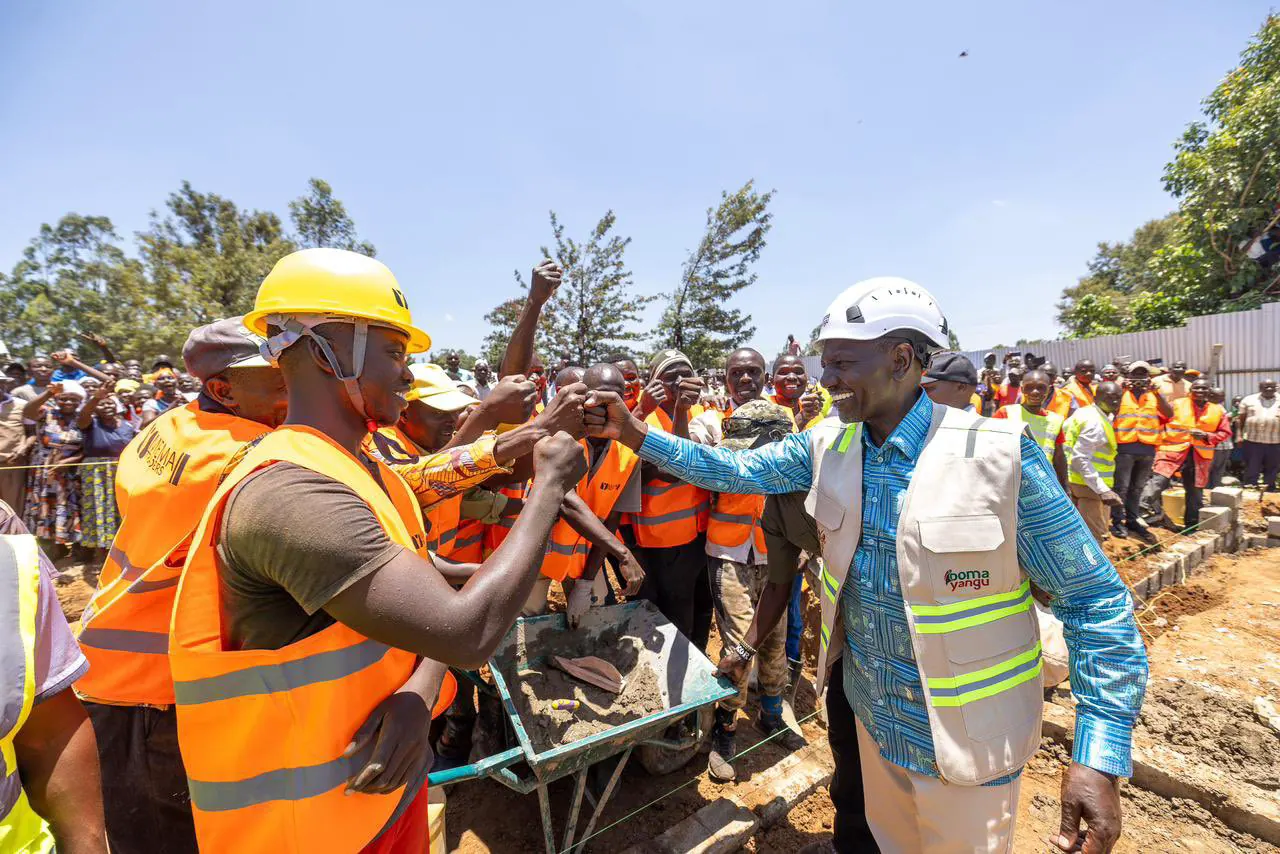
The internship scheme will be scaled up to accommodate 50,000 young Kenyans starting January 1, 2027, each receiving a monthly stipend and placed through a transparent, digital, merit-based system; Ruto noted “too many young people cannot secure employment without experience, yet cannot gain experience without employment. This programme is intended to break that cycle by providing a pathway from education to practical and productive workplace experience and, ultimately, meaningful employment.”
In the same address, Ruto highlighted broader transformation results, noting that 8.9 million farmers have been registered and more than 38 million bags of subsidised fertiliser distributed, with the price of a bag falling from KSh7,500 in 2022 to KSh2,000; maize output rose from 34.3 million bags in 2022 to 71 million bags in 2025, and dairy farmers will receive KSh65 per litre of milk plus a KSh2 bonus per litre payable quarterly.
He also reported that over 10 million Kenyans are regular borrowers from the Hustler Fund, which has advanced KSh98 billion without collateral, and announced a further KSh5 billion injection before the end of 2026; housing construction includes 303,910 affordable homes at various stages, generating more than 1.1 million jobs in construction and related sectors, while the labour mobility programme has linked 680,000 Kenyans to overseas work and digital initiatives have opened opportunities for 350,000 youths.
Ruto called for accountability, acknowledging public concerns over the cost of living, taxation and unemployment, and urged citizens to question government decisions and demand results ahead of the 2027 general election, emphasizing that policy proposals, not ethnic divisions, should drive political competition.