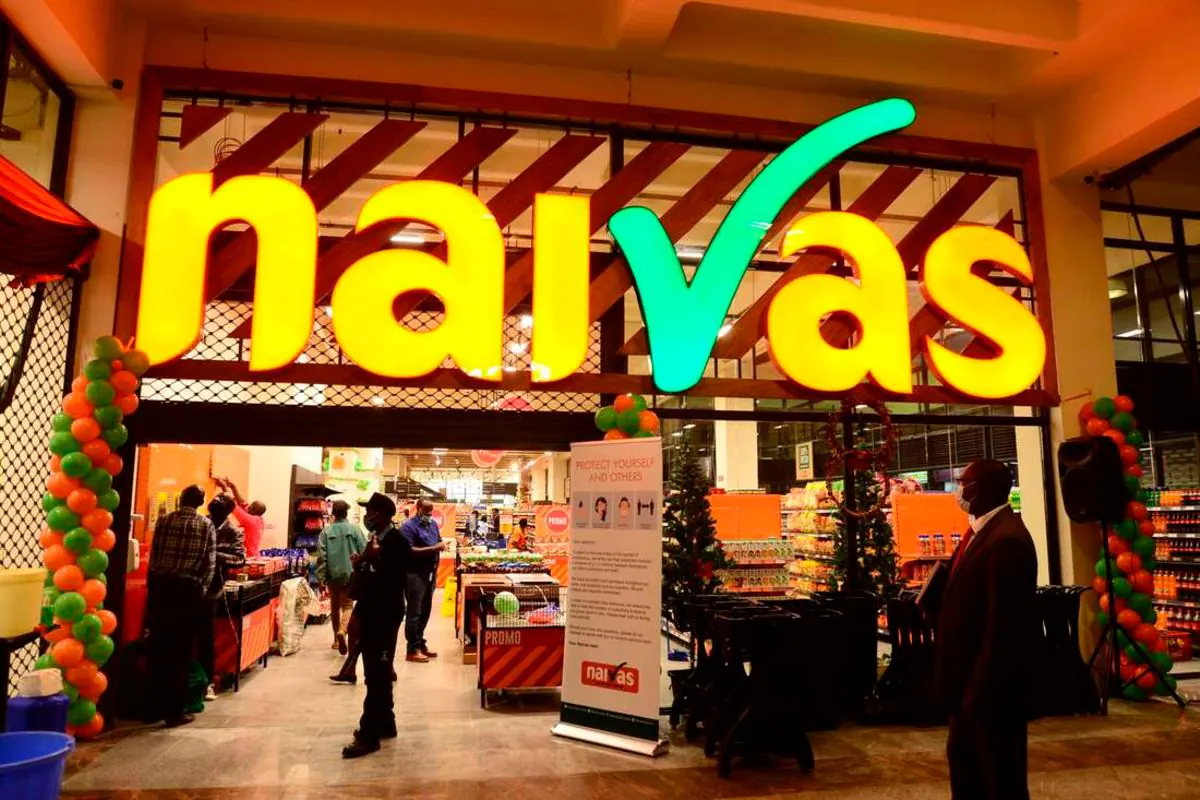
Naivas reported net profit of KSh3.37bn for the financial year ended June 2026, a rise of 41.7 per cent from KSh2.38bn the previous year.
Net earnings for the year ended June 2024 were KSh1.66bn.
Sales grew 11 per cent to KSh123.66bn, up from KSh111.34bn a year earlier, according to disclosures by IBL Group, which leads the consortium that holds a majority stake in Naivas.
IBL Group holds an indirect 37.33 per cent stake in Naivas through Mambo Retail, co-owned with French fund Proparco and German fund DEG.
Quickmart’s initial public offering on the Nairobi Securities Exchange raised KSh18.4bn against a target of KSh15bn, was 122.7 per cent subscribed, and attracted foreign bids totalling KSh3.57bn, nearly three times the KSh1.2bn allocation.
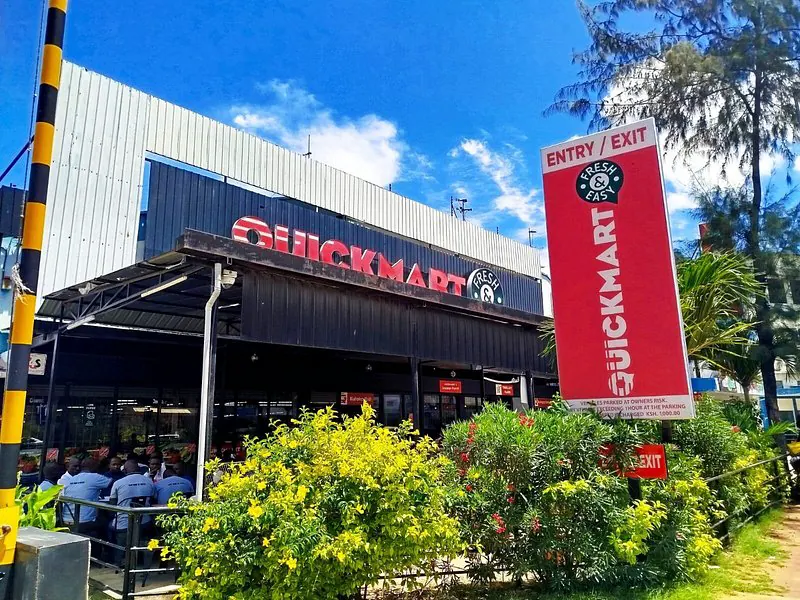
Quickmart reported a 33 per cent increase in net profit to KSh1.51bn as sales rose 9.3 per cent to KSh50.43bn, and paid out 80 per cent of profits as dividends.
Quickmart projects sales of KSh58.2bn this year and KSh67.4bn next year as it continues to expand.
Carrefour Kenya, operated by Majid Al Futtaim, grew revenues 13.7 per cent to AED1.386bn, equivalent to KSh42.95bn, from AED1.219bn in 2024.
Naivas closed June with 114 branches, up from 108 in the comparable period last year.
Quickmart plans to add five stores this year to reach 73 and add ten next year.
“In Kenya, Naivas, which now operates 114 stores, further consolidated its market leadership, with growth from both existing and new stores across all major categories, supported by continued operational improvements,” said IBL in its annual report.
“Naivas will build on its expanding footprint, while leveraging its new ERP [Enterprise Resource Planning] platform to improve coordination across its operations,” the report added.
Expenses rose 10.4 per cent to MUR 43.52 million during the review period and sales are now more than double the KSh54bn recorded in 2020.
Naivas co-founder and managing director David Kimani stepped down at the end of October last year and was succeeded by Andreas von Paleske, the first non-family chief executive in the retailer’s 35-year history.
Quickmart’s information memorandum warned that the failure of local chains had been widely attributed to “weak corporate governance, overly aggressive expansion strategies and inadequate cost control”.
It also noted that “In several cases, governance weaknesses reportedly extended to poor internal controls, resulting in pilferage and inappropriate supplier relationships that undermined financial discipline”.