Makueni County government plans to hand over its KSh1 billion fruit processing factory to a private investor through a concession deal after the Public Private Partnership unit of the National Treasury approved the concept note in September 2026, moving the project to a feasibility-study stage.
The PPP unit said the concession aims to improve operational efficiency, maximise financial returns for local farmers and the county, and foster sustainable regional economic growth.
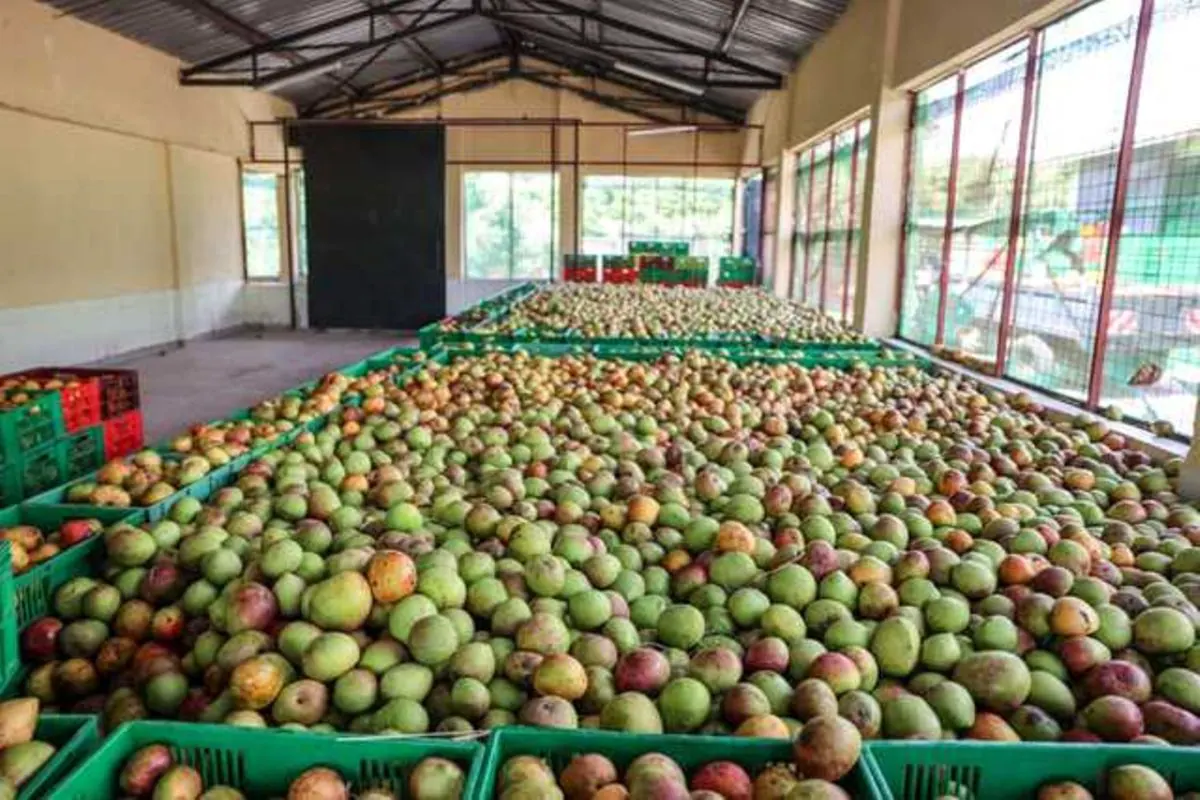
The Kalamba fruit processing plant, located in Kilili Nzaui, can process five tonnes of raw mangoes and produce 3,000 litres of mango concentrate per hour and was opened in 2017 to turn raw mangoes into mango puree, ready-to-drink juice and bottled water, cutting post-harvest waste of up to 40 per cent.
Construction and initial expansion were funded by county resources together with a KSh110 million grant from the European Union, and the unit noted the plant remains structurally sound but has faced capacity hitches and inadequate cold stores, limiting its ability to preserve larger fruit volumes.
The plant is estimated to handle only eight per cent of the county’s mangoes each year, while over 70,000 households depend on mango farming for income, supplying 75 per cent of Makueni’s fruit output amounting to 199,626 tonnes valued at KSh4.28 billion.
Budgetary constraints have made it difficult for the county to raise production capacity or purchase more fruit at competitive prices, and the proposed concession seeks a private partner to inject working capital, manage operations and optimise processing capacity, though the unit gave no details on the size of the capital injection.
Fresh capital could enable the plant to buy larger mango volumes, relieving farmers who this year saw tonnes of fruit locked out when the plant reached maximum capacity, while Kenya National Bureau of Statistics data show the country produced 776,834.1 tonnes of mangoes worth KSh15.99 billion in 2024, with a large share rotting on farms or being sold at low prices because of limited processing capacity.