The Treasury disclosed that the first batch of concession contracts for assets at Mombasa and Lamu ports is valued at about KSh79.69 billion, with the Kenya Ports Authority committing a co-investment of KSh7.79 billion (approximately US$60 million).
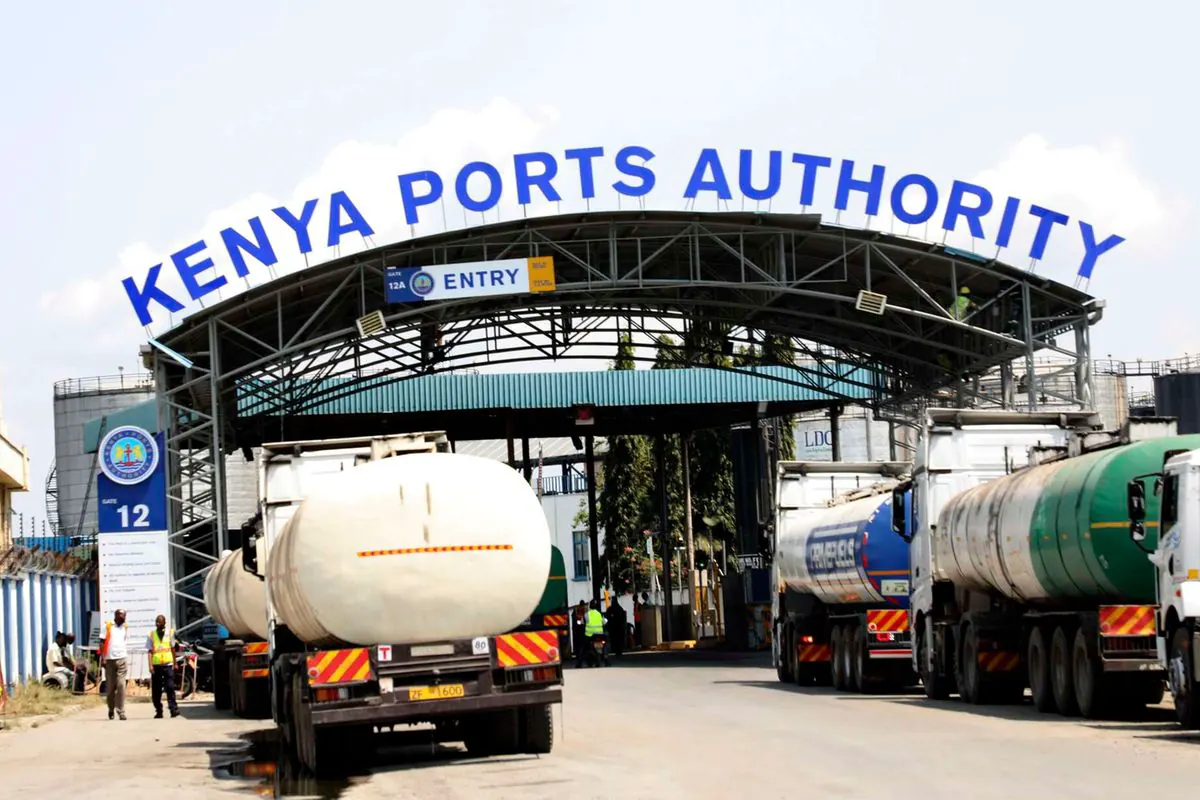
The state-run ports authority has received clearance to issue tenders for the lease of Mombasa berths 11-14, the first Mombasa container terminal, Lamu berths 1-3 and the Lamu Special Economic Zone under a public-private-partnership framework. The Treasury noted that the arrangement will be based on a user-pay system and that concession fees will be directed to KPA.
Work is also progressing on a second round of concessions estimated at KSh80 billion, which will involve additional facilities such as Mombasa container terminal II (berths 20-22), berths 23-24, cargo berths 1-5 and 7-10, the Mbaraki Wharf and inland container depots in Embakasi and Naivasha.
Combined, the two concession rounds are projected to generate roughly KSh151.9 billion in investment, not counting the KPA’s KSh7.79 billion stake in the initial batch.
In August 2026 the Treasury gave a further approval to the feasibility study for the first-batch concessions, clearing the path for KPA to launch the bidding process. The study outlines a first phase that targets four key assets at the two ports, which are highlighted as priorities in Kenya’s fourth medium-term development plan.
A portfolio of seven more port-linked projects was added in April 2026, including the same container terminals, the Mbaraki Wharf, and the inland depots at Embakasi and Naivasha. The Treasury explained that these assets share infrastructure and that decisions on one will affect the performance and bankability of the others.
Earlier listings identified four initial assets – Lamu berths 1-3, Mombasa berths 11-14, Mombasa container terminal I (berths 16-19) and the Lamu Special Economic Zone – and the Treasury argued that their size and common demand drivers require a portfolio-wide PPP approach rather than isolated deals.
In March 2026 KPA began looking for a partner to operate the Shimoni fish port under a landlord-model PPP, a project linked to Kenya Vision 2030’s aim to develop the blue economy. Under this model the public sector retains ownership of land and core facilities while the private partner finances, builds and runs the operation.