Kenya attained an overall C grade with a score of 53.1 in the 2026 Marsh CFA Institute Global Pension Index, while its adequacy dimension received a D rating of 38.9 points, sustainability a C rating of 53.0 points and integrity a B+ rating of 76.0 points.
The assessment marks Kenya’s first appearance in the index, which now evaluates 55 retirement-income systems covering more than 66 per cent of the world’s population and includes the Dominican Republic and Qatar as new entrants.
In the global ranking the Netherlands led with 85.8 points, followed by Denmark at 84.1 and Iceland at 84.0; within Africa Kenya placed third after Namibia (57.5) and Botswana (57.0), with South Africa fourth at 50.4 points.
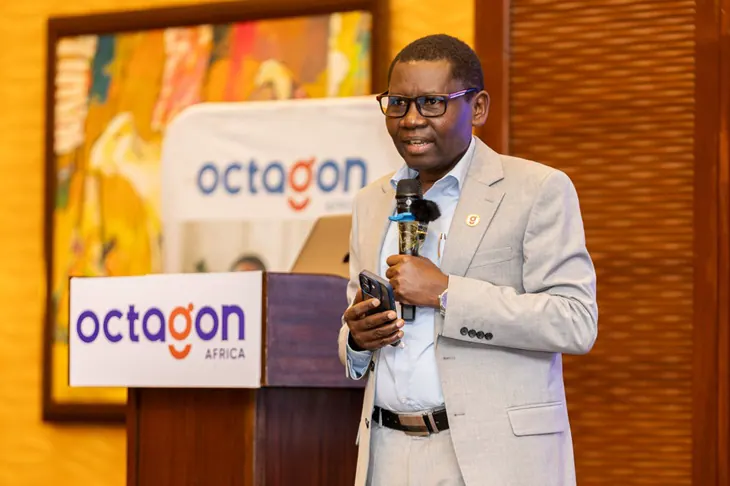
Fred Waswa, Group Chief Executive of Octagon Africa, welcomed the inaugural inclusion and said, “Kenya’s pension system continues to evolve, and the inclusion of the country into this index is an important benchmark to see where we stand and what needs to be done better.”
The Retirement Benefits Authority’s 2024 Pensioner Survey, released in February 2025, interviewed 427 retirees who had left work within the previous five years and found that 83 per cent supported at least one dependent, often adult children or grandchildren, and that overall pension coverage stood at roughly 26 per cent of the workforce.
A November 2025 ICEA Lion Retirement Preparedness Survey of 1,200 working and retired Kenyans reported that 76 per cent said their pension income only partly met their expenses, that retirees could cover about 40 per cent of basic living costs and that 46 per cent of savings would sustain them for only a portion of their expected retirement years, with health costs, food and dependants identified as major drains.
The 2026 SanlamAllianz Retirement Benchmark Report estimated that treating stage-three cancer in a private hospital would consume the equivalent of 45 months of retirement income, while a private-hospital admission for stroke would require the equivalent of 99 months, using a monthly retirement income benchmark of KSh21,900.
The index’s special chapter noted that life expectancy at age 65 in Kenya has risen by 2.9 years since 1950, increasing the length of time retirees must fund.
Facing inadequate pensions, many retirees have started small enterprises, taken up farming, consulting or casual work, and some rely on family members even as they continue to provide financial support to younger relatives.