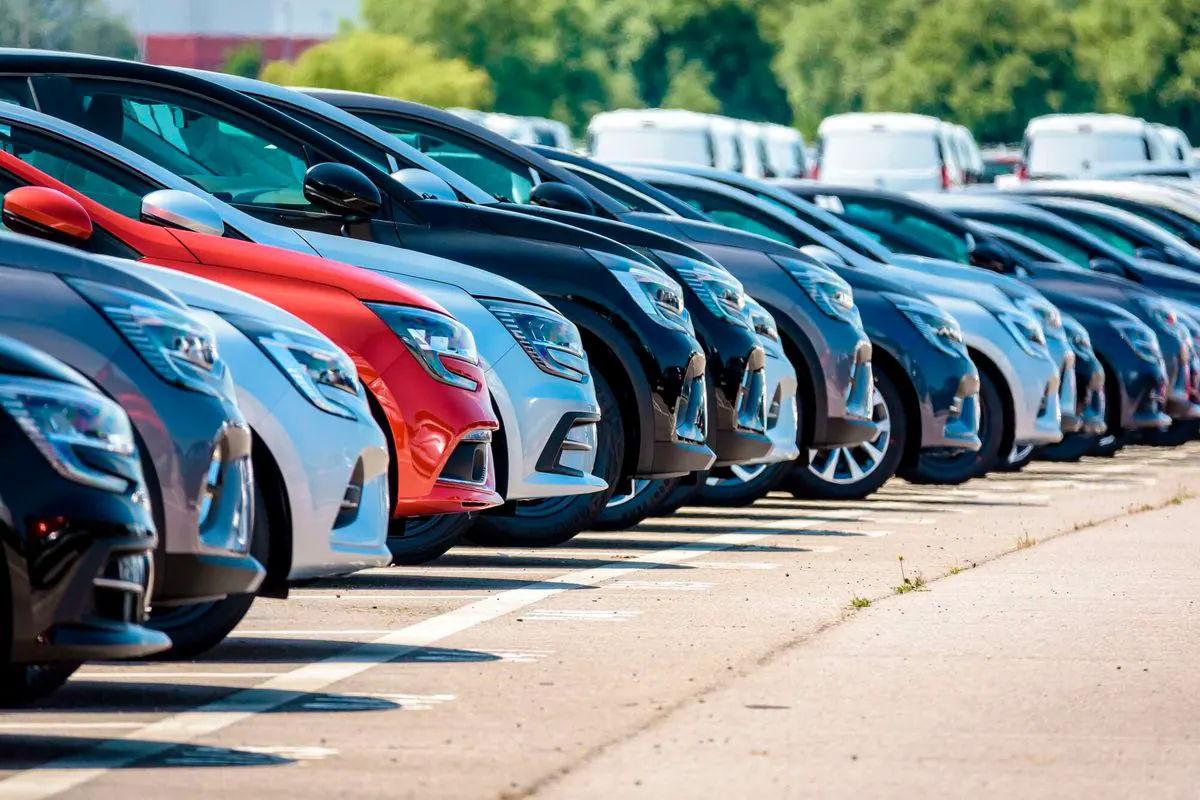
New vehicle dealers in Kenya recorded a 27.03 per cent increase in showroom sales between January and September 2026, selling 12,606 units compared with 9,924 in the same period last year, an addition of 2,682 vehicles and the highest rise since the pre-Covid era.
The surge is attributed to government payments to road contractors and renewed infrastructure activity that lifted demand for trucks, single-cab pick-ups and prime movers.
Truck sales rose 38.3 per cent to 5,527 units from 3,997, single-cab pick-ups climbed 55.9 per cent to 2,089 from 1,340 and prime movers jumped 63.6 per cent to 1,088 from 665.
Isuzu East Africa, the market leader, said the expansion was largely driven by the mobilisation of KSh139 billion to clear contractor arrears and restart road projects, stating “Industry performance was primarily propelled by government fiscal intervention—specifically the mobilisation of KSh139 billion to clear contractor bills and restart road projects, which spurred heavy commercial vehicle demand.”
Isuzu sold 5,722 vehicles in the nine-month period, a growth of 22.5 per cent from 4,670 a year earlier, while its share of total sales fell from 47.1 per cent to 45.4 per cent.
CFAO Mobility Kenya, the dealer for Toyota, Mercedes, Volkswagen and Hino, posted a 39.6 per cent rise to 4,562 vehicles, adding 1,294 units, the largest absolute increase among dealers, and lifted its market share to 36.2 per cent from 32.9 per cent.
Together Isuzu and CFAO accounted for 10,284 vehicles, representing 81.6 per cent of total sales, up from 80 per cent in the first nine months of 2025.
Tata Africa Holdings recorded the fastest percentage growth among other listed dealers, with sales up 65.5 per cent to 614 units from 371, while Simba Corporation posted an 11.7 per cent increase to 984 units; sales by smaller dealers slipped 1.4 per cent to 724 units from 734.
The Central Bank of Kenya reported that the weighted average commercial lending rate fell to 14.34 per cent in August 2026 from 15.17 per cent a year earlier, after peaking at 17.22 per cent in November 2024.
The Kenya Motor Industry Association warned in June of operational and geopolitical disruptions and highlighted a shortage of number plates affecting tens of thousands of vehicles.
The State Department for Roads credited the securitisation of the Road Maintenance Levy Fund with settling pending payment certificates and accelerating road projects, noting that the Ruto administration has committed nearly half of the fuel levy collected from motorists to repaying banks and other investors.