Kenya is pursuing digital compensation systems to address delays in supporting communities affected by human wildlife conflict. The initiative aims to improve claims processing, protect livelihoods and strengthen public trust.
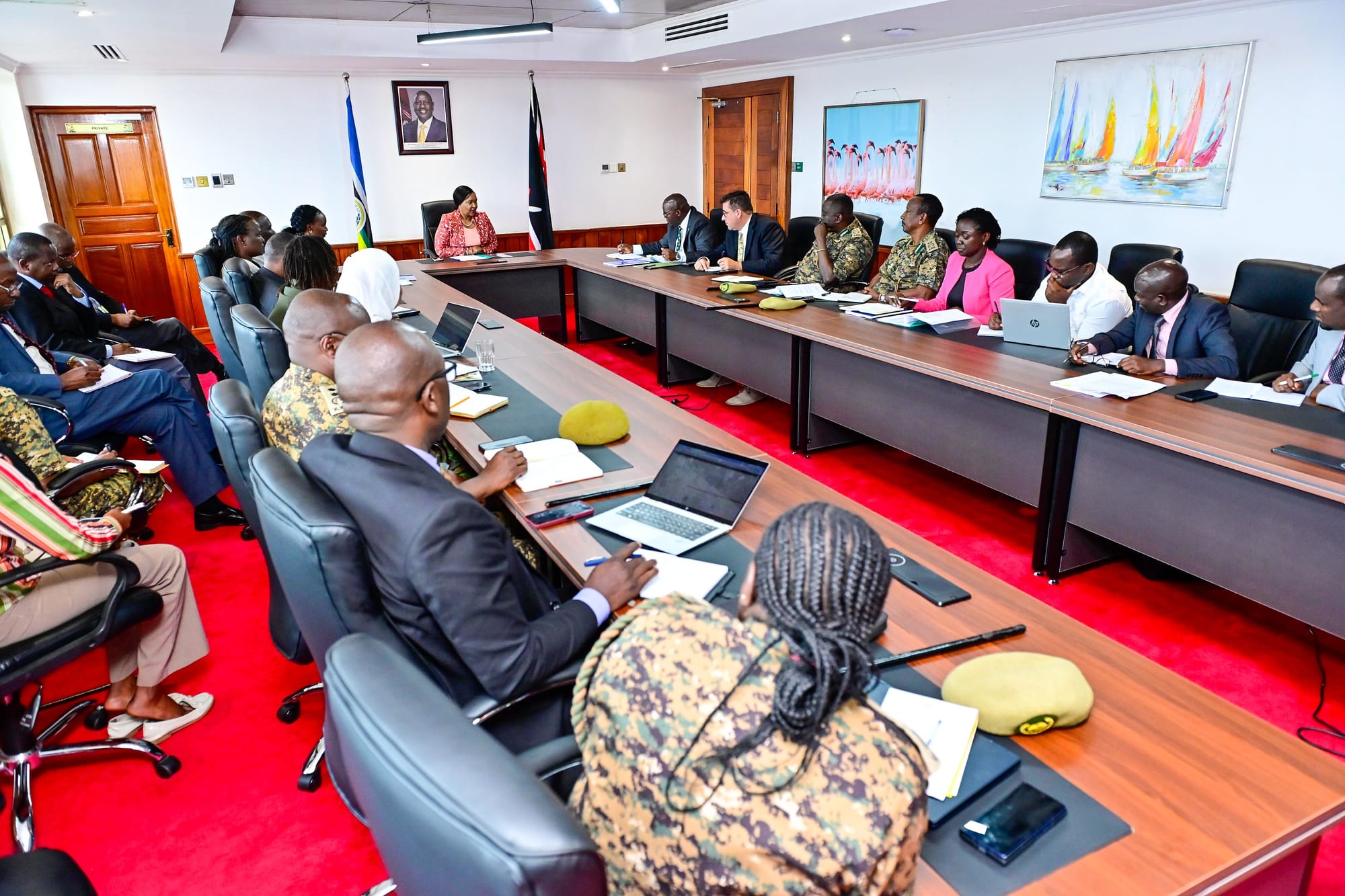
Cabinet Secretary for Tourism and Wildlife Rebecca Miano announced the plans after discussions with her team. The meeting focused on advanced solutions and more efficient compensation mechanisms.
Human wildlife conflict creates economic and social pressures for communities living alongside wildlife. Encounters can cause injuries, deaths, damaged crops and livestock losses.
These incidents can undermine household incomes and disrupt agricultural activities. Delayed compensation may deepen financial hardship and weaken confidence in conservation programmes.
Miano said the ministry was acting under President William Ruto’s direction to accelerate compensation for affected families. The government intends to replace prolonged administrative procedures with a digitised framework.
The announcement signals an effort to improve support for households experiencing wildlife related losses. Authorities have yet to publish implementation timelines, budget estimates or detailed operational guidelines.
“By digitising our compensation mechanisms, we are restoring trust, protecting livelihoods, and ensuring that our host communities receive timely support,” said Miano, Cabinet Secretary for Tourism and Wildlife.
Her statement presents technology as a means of improving accountability and strengthening relationships between communities and conservation authorities. Efficient compensation could help households recover more quickly after wildlife related incidents.
The framework’s effectiveness will depend on how officials register, verify and approve compensation claims. Digital records could improve tracking and make administrative decisions easier to monitor.
Clear eligibility requirements and consistent assessment procedures will remain essential to preventing delays. Adequate staffing and reliable technology will also determine whether applications progress efficiently.
Access presents another challenge, particularly for rural households with limited internet connectivity or digital skills. Authorities will need practical alternatives for applicants unable to navigate online systems independently.
Accessible reporting channels and clear guidance could help prevent eligible families from being excluded. Transparent updates on claim progress and payment decisions would further strengthen accountability.
The initiative also carries implications for Kenya’s conservation policy and tourism economy. Wildlife protection supports tourism, while nearby communities often bear the immediate costs of encounters.
Reliable compensation could demonstrate that conservation priorities are accompanied by responsive public support. The government must now translate its announcement into measurable improvements.
Publishing payment timelines, claims data and settlement rates would help assess the system’s effectiveness. These indicators could show whether digitisation delivers faster payments and strengthens community confidence.