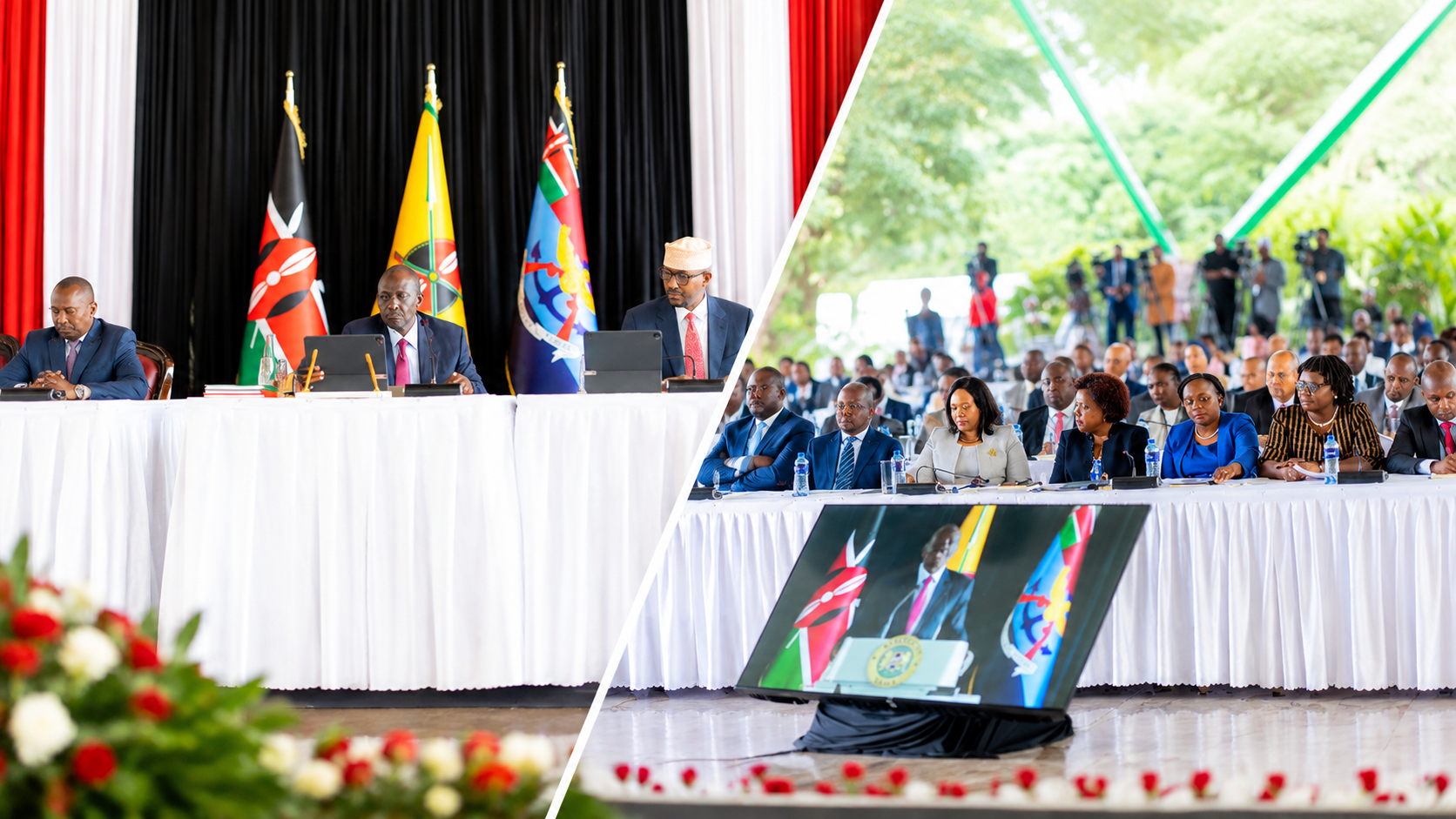
Kenya is seeking stronger cooperation with county governments to expand tourism products and spread economic activity across the country. Tourism Cabinet Secretary Rebecca Miano raised the issue during the 13th Ordinary Session of the National and County Government Coordinating Summit. The meeting was chaired by President William Ruto at State House in Nairobi.
Miano said tourism and wildlife resources are deeply rooted across Kenya’s counties. She called for closer cooperation between national and county administrations to unlock their economic potential. The approach places greater attention on local tourism products, cultural assets and community participation.
The proposed strategy centres on developing stronger tourism circuits across different parts of Kenya. These circuits can connect attractions that share geographical, cultural or ecological characteristics. They can also encourage visitors to extend their stays and spend across several destinations.
Miano said the government wants counties to play a larger role in developing local tourism. “We’re strengthening local tourism, expanding cultural value chains, and unlocking new economic opportunities for communities across Kenya through our circuits,” said Miano, Cabinet Secretary for Tourism and Wildlife.
County participation could create new opportunities for businesses operating around tourism destinations. Accommodation providers, restaurants, guides, transport firms and cultural enterprises could benefit from increased visitor activity. Local communities could also gain new markets for crafts, performances, food products and other cultural experiences.
The approach comes as Kenya seeks to diversify its tourism offering beyond its most established destinations. Nairobi, the coast and leading wildlife reserves already attract large numbers of visitors. Broader tourism circuits could help direct more demand towards emerging attractions and less visited counties.
Cultural tourism is another area with room for wider commercial development. Kenya’s counties hold distinct traditions, historical sites, cuisine and artistic practices. Turning these assets into well organised visitor experiences could create new income streams while supporting local cultural enterprises.
Wildlife also remains central to the strategy because many tourism economies depend on conservation areas and surrounding communities. Cooperation between national agencies and counties can support destination management and community participation. It can also help coordinate infrastructure and services around important conservation landscapes.
The economic opportunity is substantial, given tourism’s contribution to Kenya’s wider services economy. Tourism earnings reached Ksh 352.6 billion in 2023, according to the Tourism Ministry. The figure represented an increase from Ksh 268.1 billion recorded the previous year.
Stronger county participation could therefore support the sector’s growth while distributing tourism activity more widely. Yet developing successful circuits will require investment in roads, visitor facilities, marketing and digital visibility. Counties will also need commercially viable products that meet the expectations of domestic and international travellers.
The national and county partnership will ultimately determine how effectively these plans translate into economic activity. Clear responsibilities can help reduce duplication and improve coordination between government agencies. Better cooperation can also give private investors greater confidence when developing tourism facilities.
The strategy points to a broader shift towards making tourism a stronger local economic activity.
“Together, we are taking Kenya’s beauty to the world,” said Miano.
The next stage will be turning that ambition into accessible destinations, marketable experiences and sustainable opportunities for communities.