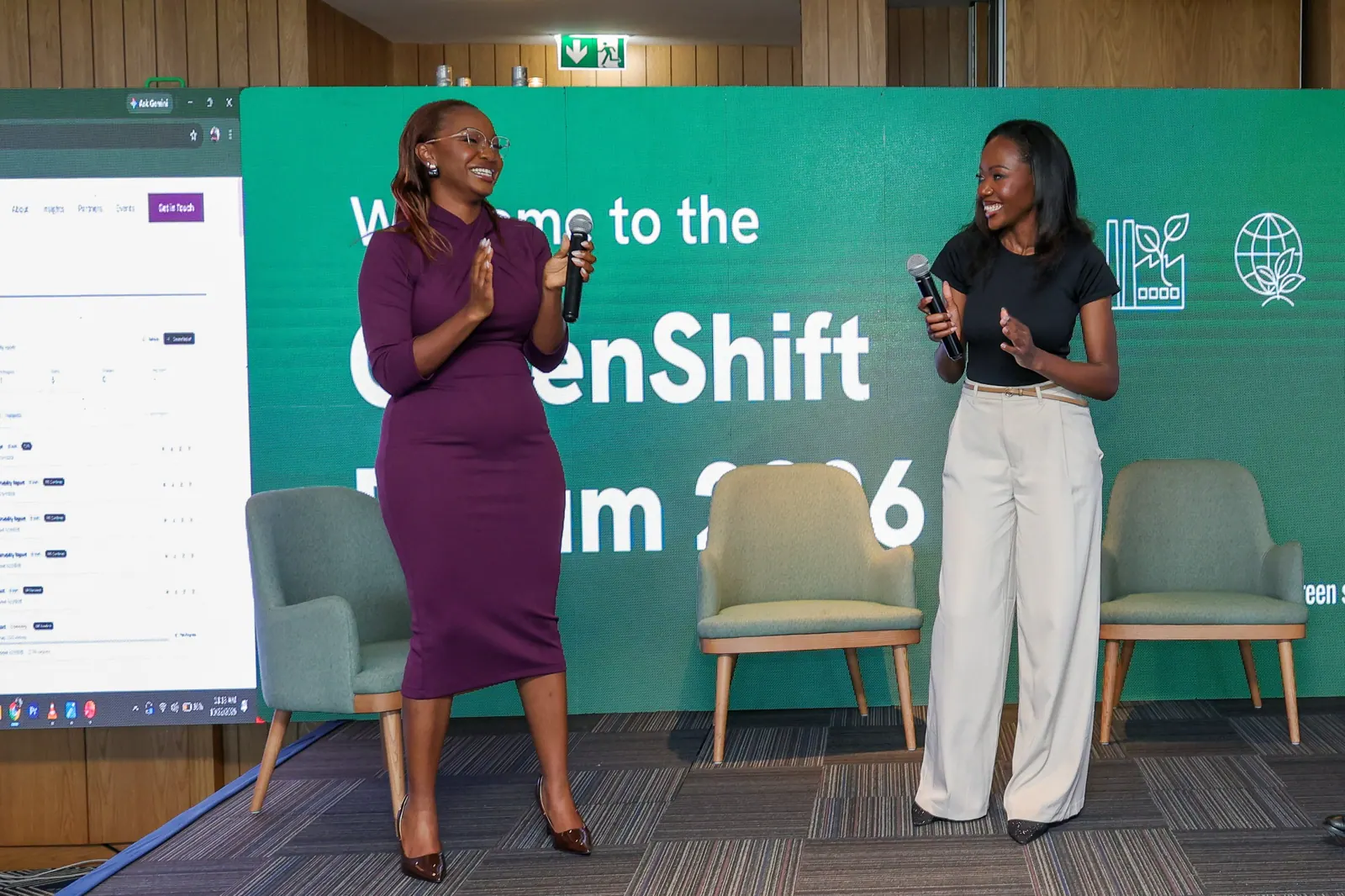
At its inaugural Future of Commerce Summit in Nairobi, Glovo’s country managing director Caroline Mutuku said the platform’s gross merchandise value grew about 40 per cent year-on-year and order volume rose 33 per cent, while the company confirmed a KSh10 billion investment plan for Kenya through 2030.
Mutuku told merchants that customers are now placing higher-value orders and that breakfast and lunch categories have expanded the fastest, with shoppers beginning to browse the app from 6:30 am for items such as milk, bread and spreads.
She urged restaurant partners to open an hour earlier, noting that a venue opening at nine am should consider an eight am start and that Glovo’s account managers will provide occasion data to support such changes, with a trial slated for December 2026.
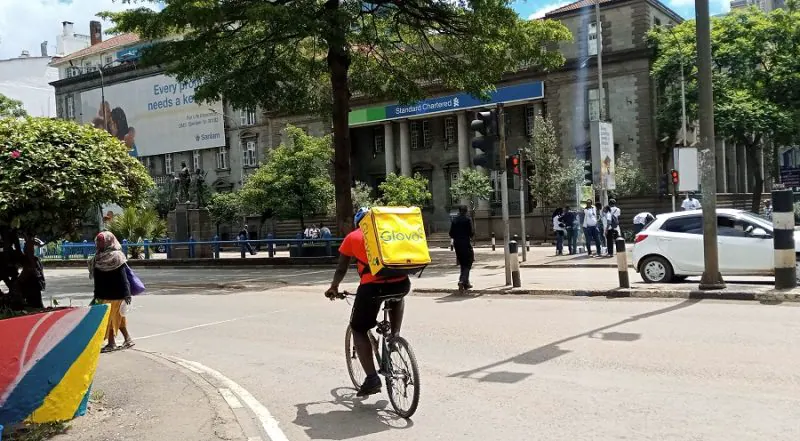
The company operates in 12 Kenyan towns and cities, works with more than 6,000 merchants and employs over 2,200 riders daily, and since its 2019 entry has generated more than KSh20 billion in sales, about 80 per cent of which has gone to small and medium-sized enterprises.
Globally, Glovo runs in 21 countries and more than 1,800 cities, with a workforce of over 3,000 employees, roughly 150,000 stores and restaurants taking orders each day, more than 190,000 active riders, over 600 advertising brands and a customer base exceeding 30 million.
In Kenya the service covers Nairobi and surrounding suburbs such as Ngong, Rongai, Karen, Syokimau and Thika, as well as Nakuru, Naivasha, Nanyuki, Kisumu, Eldoret, Machakos, Mombasa and holiday spots like Diani, making it the market with the widest city coverage outside Spain.
Mutuku said the company’s Kenyan workforce may surpass the target of 1,200 jobs and noted that founders Oscar Pierre and Sacha Michaud have visited the country in the past year, with Michaud opening the Nairobi office in May 2026 and planning a return in November.
Growth is now strongest in outer estates, with year-on-year order increases of 135 per cent in Utawala, about 100 per cent in Kikuyu and Kinoo, roughly 85 per cent in Ruiru and Juja and 33 per cent in Syokimau and Kitengela.
Between January and September 2026, searches on the app rose most sharply for baby products (up 48 per cent), beauty and personal care (45 per cent), small electronics and accessories (42 per cent) and large electronics and appliances (40 per cent), prompting Glovo to focus partner recruitment on those categories for 2027.
“Our partnership with Glovo represents a critical shift in how consumer electronics are accessed in Kenya,” said Saixu Fan, regional manager at oraimo, highlighting the platform’s expanding role beyond food.
Mutuku added, “The way Kenyans shop is changing, and businesses must adapt to these new consumer expectations,” and stressed that customers now demand convenience, choice and seamless access to everyday products without visiting physical stores.
In July 2026 Glovo launched a Shopping Assistant that links the app to AI models such as ChatGPT and Claude, allowing users to type natural-language requests and receive up to five product suggestions, with orders initiated through the assistant converting at 41 per cent versus 33 per cent inside the app.
Mutuku illustrated personal use of the tool, describing how she photographs her nanny’s shopping list, uploads it to Claude and receives recommendations on which Glovo grocery stores to order from, taking promotions and delivery times into account.
The company reported that 22 per cent of urban Kenyans have downloaded the Glovo app and 7 per cent have placed at least one order, equating to roughly 4 million downloads and over 1 million customers based on an urban population of 19-20 million.
Glovo will roll out a partner-funded discount programme called Heat from 2027, inviting restaurants and grocers to subsidise a first-order discount on a chosen hero product in exchange for performance marketing, CRM reach and premium app placement.
The firm also plans to open another Kenyan location before the end of the first half of 2027, likely in a holiday destination, and aims to add two more sites by year-end pending feasibility studies.
Uber announced on July 16, 2026 its intention to acquire Delivery Hero, the German group that holds 94 per cent of Glovo, for $14.8 billion; the transaction, subject to shareholder and regulator sign-off, would give Uber ownership of both Glovo and Uber Eats in Kenya and is expected to close in the second half of 2027 after review by Kenya’s Competition Authority.
The authority’s latest market study placed Glovo’s share at 33 per cent of online food delivery and 46 per cent of grocery delivery, while the platform continues to face competition from Uber Eats, Bolt Food and retailers developing their own delivery services.