Anti-corruption Judge Rose Ougo of the High Court ordered former Trans Nzoia County accountant Andrew Biketi Musuya to forfeit assets and money worth KSh207.7 million.
The order requires Musuya to surrender properties in Mombasa and Bungoma valued at KSh150.2 million, bank and M-Pay funds totalling KSh53.5 million, and two motor vehicles worth KSh4 million.
The properties include two five-storey apartment blocks, a five-bedroom townhouse in Mtwapa, Mombasa County, and seven undeveloped parcels of land in Mombasa and Bungoma.
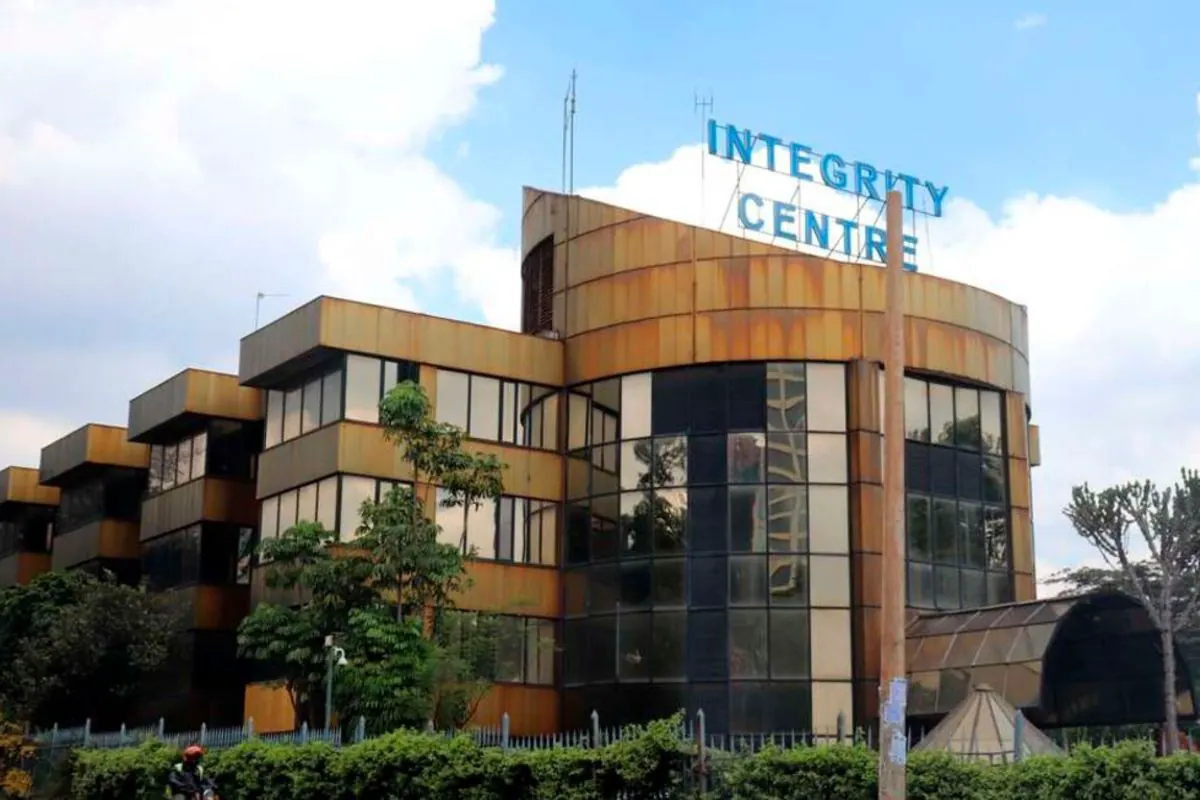
The ruling follows a petition by the Ethics and Anti-Corruption Commission (EACC) seeking recovery of assets it deemed disproportionate to Musuya’s known legitimate income.
Justice Ougo said the commission had discharged the evidential burden under Section 55(4) of the Anti-Corruption and Economic Crimes Act by showing assets that, given Musuya’s legitimate sources, were disproportionate and required explanation.
The EACC’s investigation covered the period January 1, 2013 to October 31, 2018 and identified assets and funds totalling KSh289.9 million, comprising KSh53.5 million in bank and M-Pay transactions, land and buildings worth KSh226.8 million and motor vehicles valued at KSh9.6 million.
The commission initially sought to recover KSh284.1 million as unexplained wealth.
Musuya’s legitimate income, according to the commission, consisted of a salary, part-time teaching, business, farming, maize trading, consultancy, loans and rental income, amounting to KSh5.8 million.
The judge rejected Musuya’s reliance on gross business sales, noting that “The figures represented gross sales rather than net income available to the respondent for investment,” she said.
Musuya had operated the Kapenguria Municipal Club, presenting sales records of approximately KSh23.9 million before the club closed in July 2010, but the court found he had not demonstrated the expenses, net profit, his share of profit or a financial trail linking the proceeds to the disputed assets.
The EACC also examined bank deposits of KSh45.5 million (excluding salary) and M-Pay receipts of KSh8 million, with bank funds split among accounts at Equity Bank and Co-operative Bank totalling KSh45.5 million.
Musuya opposed the forfeiture, denying corruption and claiming the wealth was lawfully accumulated over several years, arguing that the investigation period was too narrow and that some businesses predated 2013.
He said he joined the Ministry of Public Health and Sanitation in October 2010 and became principal accountant in Trans Nzoia County on October 1, 2014, attributing KSh6.5 million of his wealth to employment income earned between 2010 and 2018.
He also attributed KSh34.5 million to maize farming proceeds from a 50-acre lease in Kiminini, financed through salary, allowances, family assistance and livestock sales, and presented supporting lease and receipt documents.
Regarding consultancy, Musuya acknowledged that Josim received KSh52 million from the county for auditing and valuation services but denied receiving any part of that payment.
The judge concluded that Musuya’s explanations, taken together, failed to account for the disputed assets and financial transactions, stating “The respondent was required to go further and demonstrate the expenses incurred in generating the stated sales, the resulting net profit, the portion of that profit attributable to him, and the manner in which such net proceeds were preserved or applied,” the judge said.