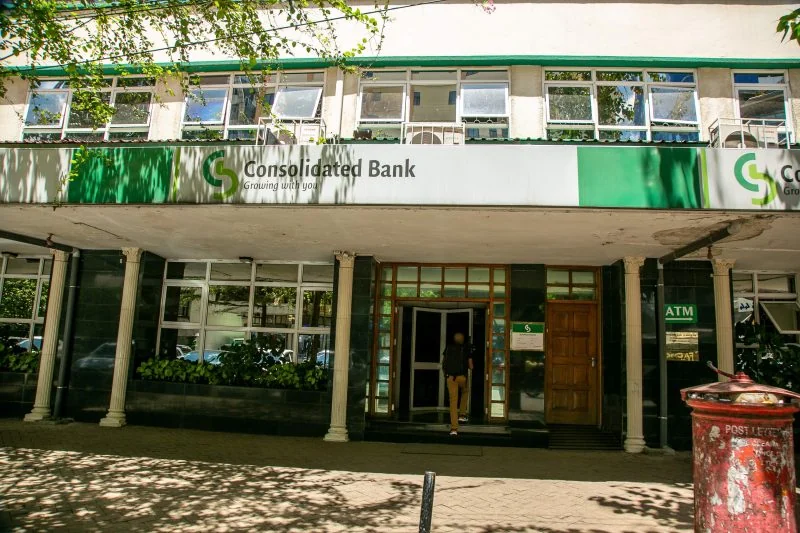
Consolidated Bank of Kenya announced a pre-tax profit of KSh341 million for the nine months to September 30, 2026, a rise of 259 per cent from KSh95 million in the same period a year earlier, marking the highest pre-tax profit in its 37-year history.
The bank said the increase stemmed from a larger base of interest-earning assets, broader revenue sources and tight cost control.
Total assets expanded by 19 per cent to KSh23.1 billion, while customer deposits grew 18 per cent to KSh14.5 billion from KSh12.3 billion a year earlier.
Revenue climbed roughly 21 per cent to KSh1.7 billion, up from KSh1.4 billion, and net interest income rose 23 per cent, driven by the asset growth.
Investments in government securities rose 34 per cent to KSh10.8 billion, and loans and advances to customers increased 2 per cent to KSh8.5 billion.
Non-funded income represented 28 per cent of total revenue, with the bank’s subsidiary Consolidated Bancassurance contributing significantly.
Operating expenses were up only 1 per cent, reflecting cost-management measures despite ongoing strategic spending.
Loan impairment charges amounted to KSh268 million as the lender continued to tighten credit risk management and improve recoveries.
Acting chief executive officer Dr Dominic Murage linked the performance to reforms aimed at strengthening the bank’s financial standing, operational capacity and competitiveness.
He said, “Our performance for the first nine months of the year demonstrates the progress we are making in repositioning the Bank for sustainable growth.”
Murage noted that the bank had implemented targeted actions to boost operational efficiency, reinforce credit risk controls, speed up digital transformation and restore customer confidence.
He added that the focus would be on consolidating gains and widening support for retail and small-and-medium-enterprise customers, stating, “We remain focused on consolidating these gains, strengthening the Bank’s competitiveness and expanding support to our customers, particularly in the Retail and SME segments, which play a critical role in driving economic growth, enterprise development and job creation.”
The turnaround plan rests on three pillars: expanding business, advancing technology and diversifying revenue.
Under the business pillar, the bank intends to grow its corporate, SME and retail footprints and deepen ties with government and public-sector bodies.
The technology pillar targets modernising infrastructure, enhancing digital channels and improving both customer experience and operational efficiency.
For revenue diversification, the bank aims to increase non-funded income through bancassurance, trade finance, bid bonds, performance guarantees, transactional services and foreign-exchange earnings.
Murage said the institution is being built with a clear growth agenda and a pledge to deliver value to customers, adding, “As a Government-owned commercial bank, we have an important responsibility to support the country’s economic development, promote financial inclusion and provide competitive financial solutions to individuals, businesses and public institutions.”
He said the bank intends to maintain its performance trajectory, strengthen its market position and provide innovative banking solutions and better customer experiences.