The Central Bank of Kenya’s September 2026 Agriculture Sector Survey warned that Kenyan households should expect price increases for fresh milk, maize flour, wheat flour, sugar and other staples in the coming weeks.
The survey, carried out between 21 and September 25 among 466 farmers, retailers and wholesalers, found that 64 per cent of respondents expected the overall inflation rate to rise over the next month, while 61 per cent thought it would ease over the following three months.
Annual inflation had risen to 6.8 per cent in September from 6.6 per cent in August and 6.5 per cent in July, driven mainly by higher transport, food and non-food costs.
Milk showed the strongest price-rise expectations, with 74 per cent of those surveyed anticipating higher prices for packaged fresh cow milk and 67 per cent expecting a rise for unpackaged milk.
Expectations for sifted maize flour rose to 40 per cent from 19 per cent in August, while anticipated price increases for white wheat flour grew to 48 per cent from 29 per cent.
The share of respondents foreseeing higher sugar prices climbed to 28 per cent from 15 per cent, and expectations for fortified maize flour increased to 47 per cent from 31 per cent.
Respondents also flagged garden peas as a commodity likely to see price increases in October and the months that follow.
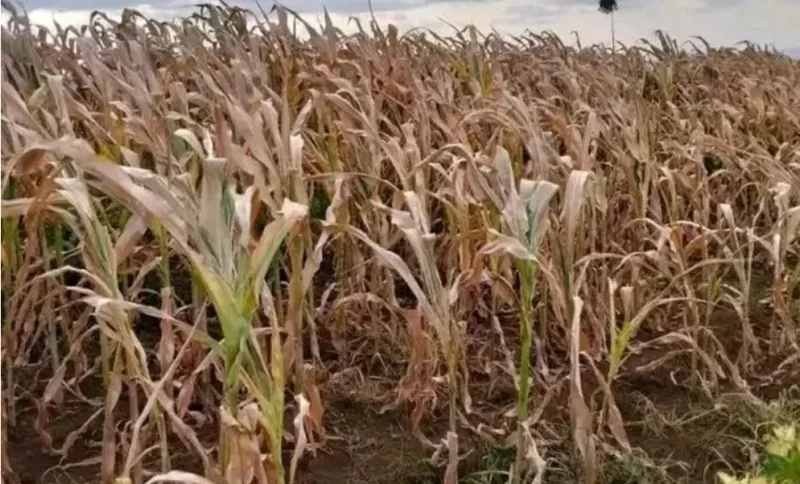
The survey identified weather conditions, transport costs and farm-input prices as the main drivers, with 97 per cent citing weather, 92 per cent transport costs and 80 per cent input prices as influencing retail prices.
Fuel price caps set by the Energy and Petroleum Regulatory Authority – KSh226.96 per litre for super-petrol, KSh227.76 for diesel and KSh219.87 for kerosene – remain in force until November 14, adding to transport and production costs.
The CBK also noted that the ongoing US-Israel-Iran conflict was a significant influence on retail prices.
Despite the near-term risks, 76 per cent of farmers expected the agricultural sector to perform better over the next year, up from 67 per cent in July, and many planned to expand acreage for wheat, potatoes, millet, rice, maize and beans.
Rice growers were particularly optimistic, with 55 per cent anticipating higher output, while confidence in tomato production fell to 38 per cent from 54 per cent in July.
Seventy-six per cent of the sampled farmers relied mainly on rain-fed agriculture and only 24 per cent on irrigation.
The CBK recommended continued government support to reduce the cost of certified seeds, fertiliser, pesticides and farm machinery, and to improve extension services, roads and irrigation infrastructure.
Seventy-nine per cent of farmers reported benefiting from the subsidised fertiliser programme, and more than 80 per cent said it was important for boosting production.
President William Ruto announced a further cut in farm-input prices, lowering the cost of a 50 kg bag of subsidised fertiliser from KSh2,500 to KSh2,000 and a 2 kg packet of maize seeds from KSh300 to KSh150, effective next month.
The central bank kept its policy rate at 8.75 per cent at the Monetary Policy Committee meeting on October 7.
The proportion of farmers borrowing to finance agricultural activities rose to 45 per cent in September from 34 per cent in July; among borrowers, 91 per cent used the loans for farm inputs and 60 per cent for labour costs.