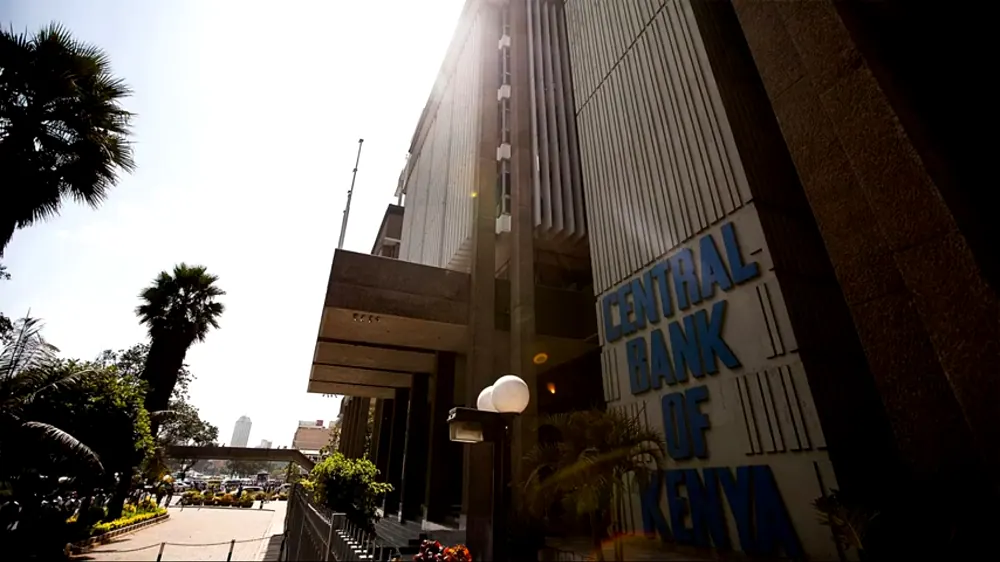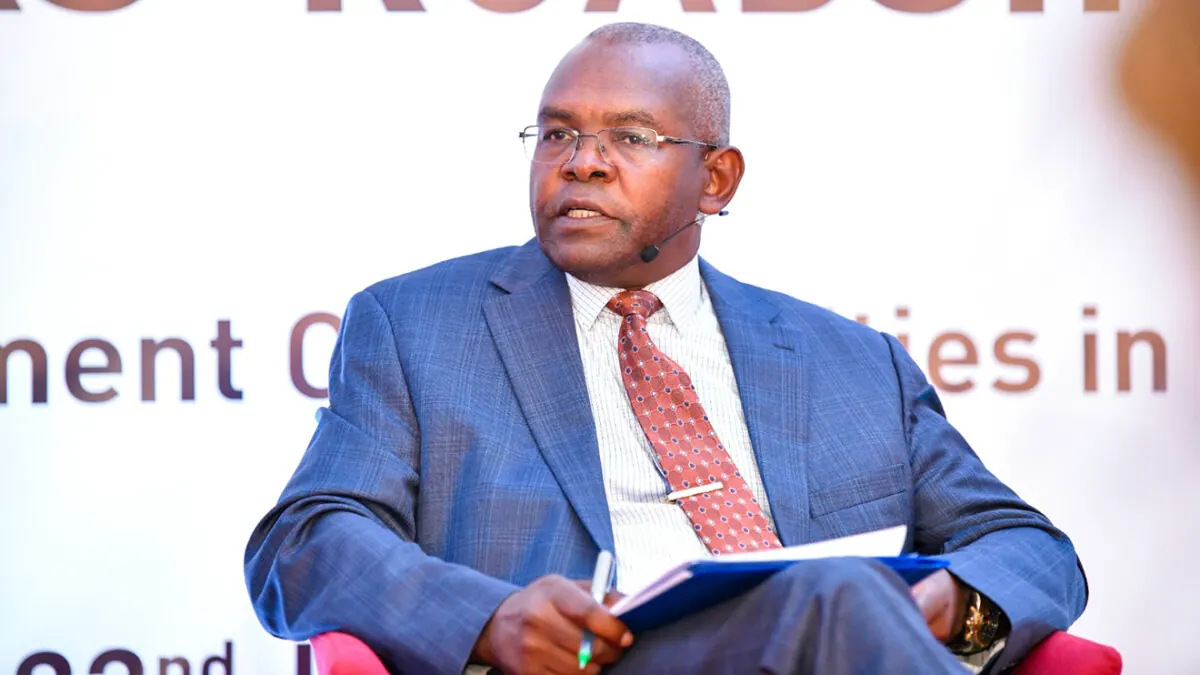
Central Bank of Kenya Governor Kamau Thugge told the National Assembly Finance and Planning Committee that the stability of the Kenyan shilling is underpinned by strong balance-of-payments fundamentals, notably capital inflows and foreign-exchange reserve accumulation.
Thugge said the country’s current-account deficit of US$4.68 billion is being more than offset by a surplus of US$7.458 billion in the financial and capital accounts, creating an overall balance-of-payments surplus.
He added that the surplus has enabled Kenya to add roughly US$2.4 billion to its foreign-exchange reserves in 2026 and that a further US$1 billion is projected for 2027.
The governor pointed to foreign investment and major transactions involving Safaricom, Kenya Pipeline Company and recent bank takeovers as examples of the financial flows supporting the surplus.
Thugge highlighted that the balance-of-payments deficit fell from about US$2 billion in 2022 to US$1 billion in 2023, while reserve accumulation rose from US$1.4 billion in 2024 to US$2.4 billion in 2025.
He warned that external financing expected from the National Treasury might not materialise as planned, a risk that could affect Kenya’s external accounts and foreign-exchange needs.
Thugge concluded that the shilling’s performance is linked to the improving external position and continued reserve build-up.