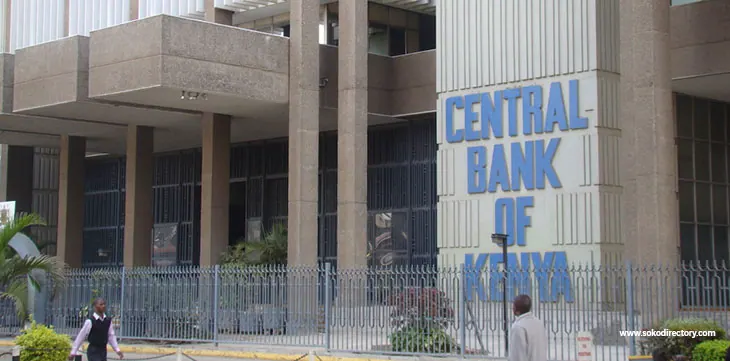
Aliko Dangote bought a 24.76 per cent shareholding in Kenya Pipeline Company (KPC) in a block trade on the Nairobi Securities Exchange on October 19, a deal reported to be worth about KSh42.5 billion.
The purchase comprised roughly 4.5 billion shares at a price of KSh9.02 per share, with the shares sold by public-sector institutions that acquired them during KPC’s initial public offering, including the National Social Security Fund, the Public Servants Pension Scheme, the County Workers Pension Fund and the Unclaimed Financial Assets Authority.
After the transaction the Kenyan government continues to hold 35 per cent of KPC, while Uganda National Oil Company retains about 20.15 per cent, leaving Dangote-linked interests as the second-largest shareholder but without direct operational control.
Dangote has also outlined a proposed investment of $1.5 billion (approximately KSh194.8 billion) to expand KPC’s pipeline network, a move tied to his plan for a 700,000-barrel-per-day refinery in Lamu that broke ground on September 30 with an estimated cost of $16 billion (around KSh2 trillion).
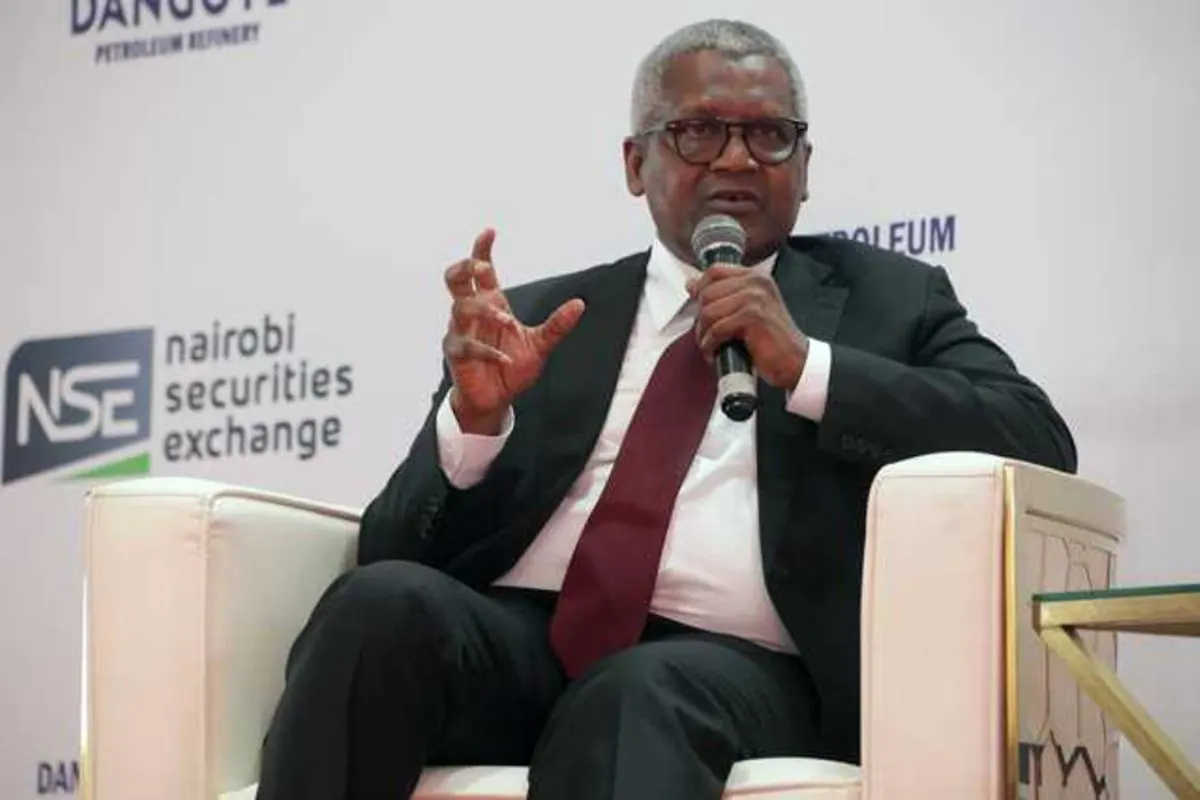
In a London event quoted by Bloomberg, Dangote said, “We bought 25 per cent of their pipeline network for their distribution of petroleum products.”
KPC operates about 1,342 kilometres of pipelines that move refined petroleum from the Port of Mombasa to inland depots and to neighbouring Uganda, South Sudan, Rwanda and eastern Democratic Republic of the Congo; in the financial year to June 2026 the company moved 10.61 billion litres, generated revenue of KSh42.98 billion and posted net profit of KSh11.58 billion.
Managing director Pius Mbugua said KPC intends to explore ways of working with Dangote’s planned Lamu refinery and is keen to discuss how its existing infrastructure could support the new project, adding that the company is also developing a petroleum trading hub on its 377-acre site at Kenya Petroleum Refineries Limited.
KPC’s capital-expenditure programme targets roughly KSh110 billion through 2030 for pipeline construction, pumping capacity, storage and related upgrades; the firm held about KSh20.5 billion in cash at the end of June 2026 and is considering a dividend of around KSh6 billion, subject to shareholder approval.
New pipeline projects are estimated to cost between KSh60 billion and KSh70 billion, while upgrades to existing lines could require KSh40 billion to KSh50 billion, with financing expected to come from a mix of commercial debt, project finance, infrastructure bonds and partner equity, typically around 30 per cent equity and 70 per cent debt.
The company supplies roughly 96 per cent of Uganda’s refined-fuel needs, 71 per cent of South Sudan’s and 77 per cent of eastern DRC’s, and sees further market opportunities in Rwanda.
International oil companies were reportedly approached to purchase the stake but progressed more slowly, allowing Dangote to secure the deal; while the acquisition makes him the second-largest shareholder and could open the door to board representation, any influence over KPC’s strategic decisions will depend on the firm’s governance arrangements.